Why Minimally Invasive Neurosurgery is Transforming Brain and Spine Care

One of the first questions families ask after a stroke is simple, but very heavy: “Doctor, will he move again? Will she ever walk?
Why Minimally Invasive Neurosurgery is Transforming Brain and Spine Care

Medical science is continuously evolving, and one of the most significant advancements in recent years is the rise of minimally invasive techniques in neurosurgery. These modern approaches are changing how brain and spine conditions are treated, offering patients safer procedures and faster recovery.
For individuals dealing with neurological or spinal problems, understanding how these techniques work can provide reassurance and clarity when considering treatment options.
What Makes Minimally Invasive Surgery Different?
Unlike traditional surgery, which often involves larger incisions and greater disruption to surrounding tissues, minimally invasive neurosurgery focuses on precision. Surgeons use advanced imaging and specialised instruments to access the affected area through much smaller openings.
This approach allows for accurate treatment while minimising damage to healthy tissues, making the overall procedure less physically demanding for the patient.
How Technology is Driving This Change
Modern neurosurgery relies heavily on technology to improve outcomes. High-resolution imaging, navigation systems, and refined surgical tools enable doctors to perform complex procedures with greater control and accuracy.
These advancements have made it possible to treat conditions involving the brain, spine, and nerves more effectively, while also reducing the risks traditionally associated with surgery.
Key Benefits for Patients
- Reduced physical trauma during surgery\ \ Smaller incisions and targeted techniques mean less disruption to muscles and tissues, which can significantly reduce post-operative discomfort.
- Quicker recovery and return to normal life\ \ Patients often recover faster compared to traditional methods, allowing them to resume daily activities sooner.
- Lower risk of complications\ \ Minimising exposure during surgery reduces the chances of infection and other complications.
- Shorter hospital stays\ \ Many patients can be discharged earlier, making the treatment process more convenient and less stressful.
- Better overall outcomes\ \ Increased precision helps improve surgical success rates and long-term results.
Conditions That Can Be Treated
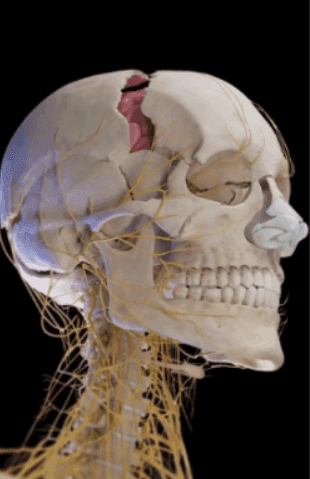
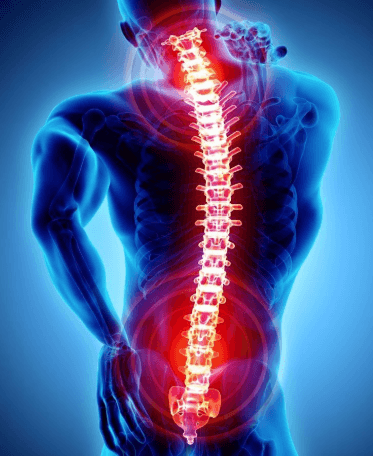
Minimally invasive neurosurgery is used in managing a wide range of conditions, including brain tumours, spinal disorders such as slip disc, nerve compression, and certain causes of chronic back or neck pain.
However, not every condition requires surgery, and the decision depends on careful medical evaluation.
A Shift Towards Patient-Centred Care
One of the most important aspects of this advancement is its focus on patient comfort and recovery. Modern treatment approaches aim not only to address the medical condition but also to reduce pain, shorten recovery time, and improve quality of life.
This shift reflects a broader movement in healthcare towards personalised and efficient care.
Final Thoughts
Minimally invasive neurosurgery represents a major step forward in the treatment of brain and spine conditions. With the support of advanced technology and expert care, patients today have access to safer, more precise, and more effective treatment options than ever before.
Have a question about this topic?
Book a consultation for personalised, expert advice.