Cervical Spondylotic Myelopathy: The Silent Progression of Spinal Cord Compression
One of the first questions families ask after a stroke is simple, but very heavy: “Doctor, will he move again? Will she ever walk?
Cervical Spondylotic Myelopathy: The Silent Progression of Spinal Cord Compression
<
img style="display: block; margin: 50px auto; max-width: 100%; height: auto; border-radius: 25px; box-shadow: 0 25px 50px rgba(143, 27, 27, 0.2); transition: all 0.5s cubic-bezier(0.4, 0, 0.2, 1); border: 4px solid rgba(143, 27, 27, 0.1); transform: perspective(1000px) rotateX(2deg); filter: brightness(1.05) saturate(1.1);" src=https://drjayeshsardhara.com/wp-content/uploads/2026/07/Screenshot-2026-07-16-152548.png alt=" Cervical nerve" Fusion" width="600" height="400" /> Most patients correlate severe cervical nerve compression with acute, agonizing neck pain. However, one of the most critical structural pathologies of the cervical spine-Cervical Spondylotic Myelopathy (CSM)-frequently progresses asymptomatically in its earliest stages.
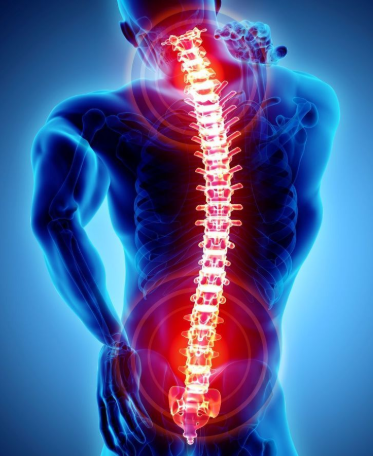
CSM occurs when degenerative changes (osteophyte formation, ligamentum flavum hypertrophy, disc herniation) aggressively narrow the cervical spinal canal, placing direct mechanical compression on the spinal cord itself.
Identifying Subtle Neurological Deficits
The Imperative for Surgical Decompression
The spinal cord possesses a highly limited capacity for regeneration following prolonged mechanical ischemia. The primary objective of surgical intervention (such as an ACDF or laminoplasty) is halting disease progression.
- • Deterioration of Fine Motor Skills: Progressive difficulty executing precise hand movements (e.g., buttoning shirts, manipulating keys, degrading handwriting).
- • Gait Instability: An uncoordinated, wide-based walk often described by patients as a feeling of "walking on cotton" or losing balance in low light.
- • Lhermitte’s Sign: An acute, electric shock-like sensation radiating down the spine or into the limbs upon forward flexion of the neck.
Clinical Takeaway
CSM requires prompt surgical decompression. Relieving pressure on the cervical cord is essential to arrest permanent neurological deterioration and provide the central nervous system an optimal environment for functional recovery.
Have a question about this topic?
Book a consultation for personalised, expert advice.