Failed Back Surgery Syndrome (FBSS): Identifying the True Pathology
One of the first questions families ask after a stroke is simple, but very heavy: “Doctor, will he move again? Will she ever walk?
Failed Back Surgery Syndrome (FBSS): Identifying the True Pathology
<
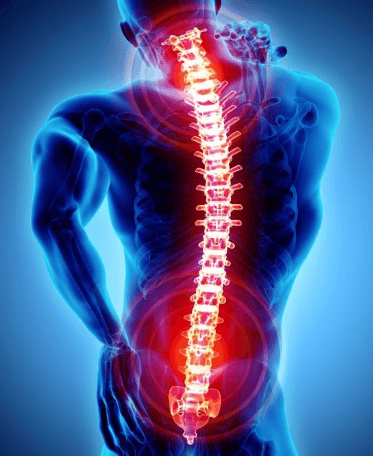
img style="display: block; margin: 50px auto; max-width: 100%; height: auto; border-radius: 25px; box-shadow: 0 25px 50px rgba(143, 27, 27, 0.2); transition: all 0.5s cubic-bezier(0.4, 0, 0.2, 1); border: 4px solid rgba(143, 27, 27, 0.1); transform: perspective(1000px) rotateX(2deg); filter: brightness(1.05) saturate(1.1);" src=https://drjayeshsardhara.com/wp-content/uploads/2026/07/Screenshot-2026-07-22-153352.png alt=" back pain" Fusion" width="600" height="400" /> A persistent recurrence or exacerbation of pain following lumbar surgery is a deeply frustrating clinical scenario, formally categorized as Failed Back Surgery Syndrome (FBSS).
It is crucial to understand that FBSS is not a specific diagnosis, nor does it inherently imply surgical error. It is a highly complex clinical entity that requires an exhaustive diagnostic workup to identify the precise anatomical or neuropathic driver of the persistent pain.
Primary Etiologies of Post-Operative Pain
- • Adjacent Segment Disease (ASD): Following a successful spinal fusion, the motion segments immediately superior and inferior to the construct absorb magnified mechanical stress, leading to accelerated, symptomatic degeneration.
- • Recurrent Herniation: A fragment of nucleus pulposus may extrude through the weakened annulus fibrosus months after an initial microdiscectomy, re-compressing the targeted nerve root.
- • Epidural Fibrosis: While scarring is a physiological healing response, hypertrophic scar tissue can bind the nerve roots to the surrounding dura, causing severe radiculopathy (tethered nerve).
- • Incomplete Decompression: Unidentified lateral recess stenosis or retained osteophytes can sustain neuroforaminal impingement.
Clinical Takeaway
Managing FBSS requires isolating the exact pathology through contrast-enhanced MRI and diagnostic nerve blocks. Once identified, treatments ranging from targeted revision surgery to advanced Neuromodulation (Spinal Cord Stimulation) can effectively break the chronic pain cycle.
Have a question about this topic?
Book a consultation for personalised, expert advice.