Deciphering Adult Spinal Deformity: The Threshold for Reconstructive Surgery
One of the first questions families ask after a stroke is simple, but very heavy: “Doctor, will he move again? Will she ever walk?
Deciphering Adult Spinal Deformity: The Threshold for Reconstructive Surgery
<
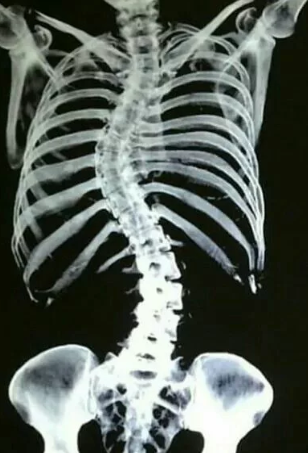
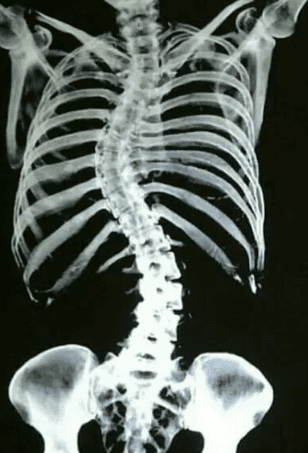
img style="display: block; margin: 50px auto; max-width: 100%; height: auto; border-radius: 25px; box-shadow: 0 25px 50px rgba(143, 27, 27, 0.2); transition: all 0.5s cubic-bezier(0.4, 0, 0.2, 1); border: 4px solid rgba(143, 27, 27, 0.1); transform: perspective(1000px) rotateX(2deg); filter: brightness(1.05) saturate(1.1);" src=https://drjayeshsardhara.com/wp-content/uploads/2026/07/Screenshot-2026-07-16-143231.png alt=" MRI Adult Spine" Fusion" width="600" height="400" /> Spinal curvature is not solely an adolescent pathology. Adult Spinal Deformity (ASD) frequently develops de novo later in life, driven by the asymmetrical degeneration of lumbar intervertebral discs and facet joints.
As the protective mechanical structures of the spine degrade, the vertebral column gradually collapses into a scoliotic or kyphotic deformity. This structural collapse fundamentally alters the body's center of gravity.
Clinical Manifestations of ASD
The Surgical Correction Paradigm
Surgical reconstruction is indicated when functional disability outpaces conservative management.Utilizing advanced osteotomies, interbody fusion cages, and robust instrumentation guided by real-time navigation, the spine is physically realigned.
- • 1. Sagittal Imbalance: The inability to stand upright. Patients find themselves progressively pitched forward, relying heavily on compensatory knee flexion or walking aids to maintain a vertical posture.
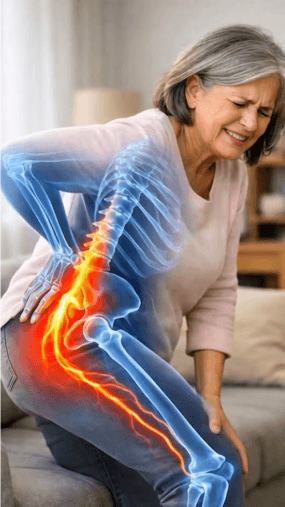
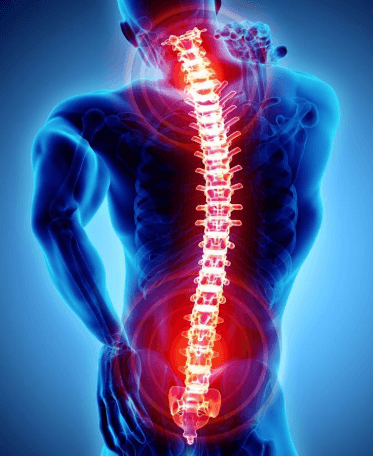
- • 2. Intractable Mechanical Pain: Paraspinal muscles undergo severe fatigue and spasm as they continuously attempt to counteract the unbalanced structural load.
- • 3. Neurogenic Claudication: As the spine twists, the central canal and neuroforamen narrow, compressing the spinal cord and exiting nerve roots, generating severe, heavy pain in the lower extremities during ambulation.
Clinical Takeaway
Complex adult reconstructive surgery does more than straighten the spine; it decompresses critical neural elements and restores a balanced center of gravity, drastically reducing mechanical pain and restoring the capacity for independent walking.
Have a question about this topic?
Book a consultation for personalised, expert advice.