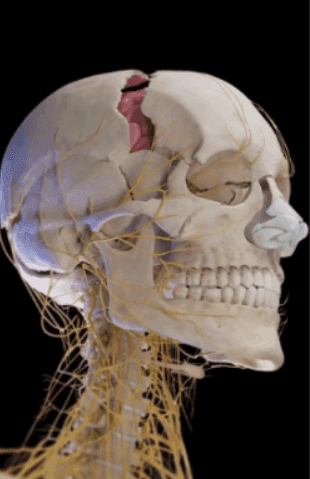
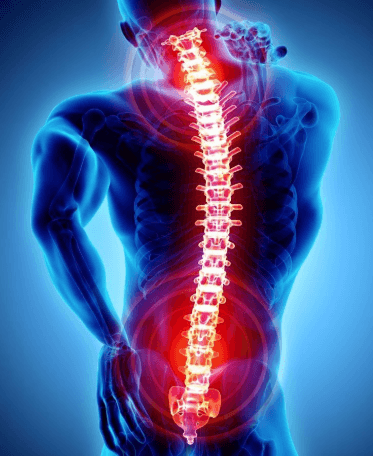
The Future of Neurosurgery: How Innovation is Improving Brain and Spine Treatments
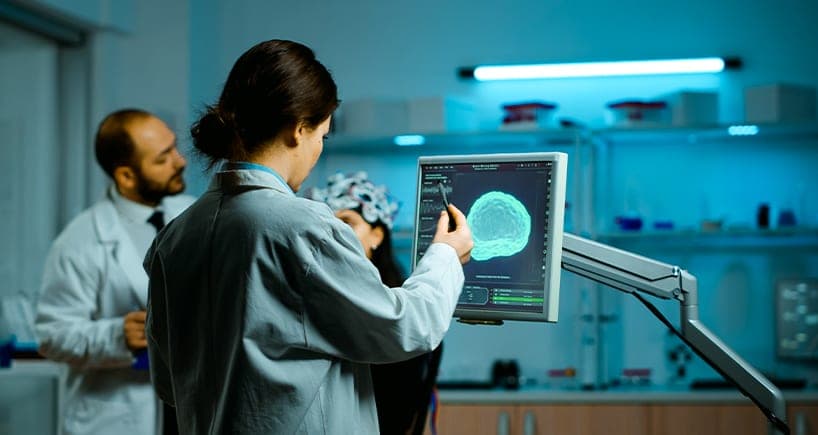
One of the first questions families ask after a stroke is simple, but very heavy: “Doctor, will he move again? Will she ever walk?
The Future of Neurosurgery: How Innovation is Improving Brain and Spine Treatments

The field of neurosurgery has seen remarkable progress over the past decade. What was once considered highly complex and risky is now being approached with greater precision, safety, and efficiency. Thanks to continuous innovation, patients today have access to advanced treatment options that not only address serious brain and spine conditions but also focus on faster recovery and improved quality of life.
Understanding how these innovations are shaping modern neurosurgery can help patients feel more informed and confident when seeking treatment.
The Role of Technology in Modern Neurosurgery
Technology plays a central role in transforming neurosurgical procedures. Advanced imaging systems, surgical navigation tools, and high-precision instruments allow surgeons to operate with exceptional accuracy.
These technologies help in identifying the exact location of the problem, reducing the chances of damage to surrounding healthy tissue. As a result, procedures become safer and outcomes more predictable.
Shift Towards Minimally Invasive Techniques
One of the most important developments in neurosurgery is the increasing use of minimally invasive methods. These techniques involve smaller incisions and targeted treatment, which significantly reduces the physical impact of surgery on the body.
Patients benefit from less pain, shorter hospital stays, and quicker recovery, making treatment less stressful and more manageable.
Key Advancements Changing Patient Care
- Improved imaging and diagnostic accuracy\ \ Modern imaging techniques allow for early detection and precise diagnosis of neurological conditions, helping doctors plan more effective treatments.
- Enhanced surgical precision\ \ With the help of advanced tools, surgeons can perform delicate procedures with greater control, reducing risks and improving success rates.
- Faster recovery and rehabilitation\ \ New approaches focus on minimising recovery time, allowing patients to return to their normal routines sooner.
- Better management of complex conditions\ \ Conditions involving the brain, spine, and nerves can now be treated more effectively with a combination of technology and expertise.
A More Patient-Centred Approach
Modern neurosurgery is no longer limited to treating the condition alone. There is a strong emphasis on patient comfort, safety, and long-term well-being. From diagnosis to rehabilitation, care is designed to support the patient at every stage.
This holistic approach ensures not only better medical outcomes but also improved overall quality of life.
What This Means for Patients
For patients, these advancements offer reassurance that treatment is becoming safer and more effective. Early diagnosis, combined with modern surgical techniques, can significantly improve outcomes and reduce complications.
However, timely medical consultation remains essential, as early intervention often leads to better results.
Final Thoughts
Innovation continues to redefine the future of neurosurgery. With advancements in technology, minimally invasive techniques, and patient-focused care, the treatment of brain and spine conditions is becoming more precise, efficient, and accessible. These developments are not only improving surgical outcomes but also transforming the overall patient experience.
Have a question about this topic?
Book a consultation for personalised, expert advice.