Spinal Stenosis Surgery: Causes, Treatment, and Long-Term Outcomes
One of the first questions families ask after a stroke is simple, but very heavy: “Doctor, will he move again? Will she ever walk?
Spinal Stenosis Surgery: Causes, Treatment, and Long-Term Outcomes

Spinal Canal Narrowing Treatment and Recovery Guide
Spinal stenosis is a common spine condition where the spinal canal narrows, putting pressure on the spinal cord or nerves. It often affects older adults and can greatly impact walking ability and quality of life. With improved spine surgery techniques available in Mumbai, most patients find significant relief and better mobility.
What Is Spinal Stenosis?
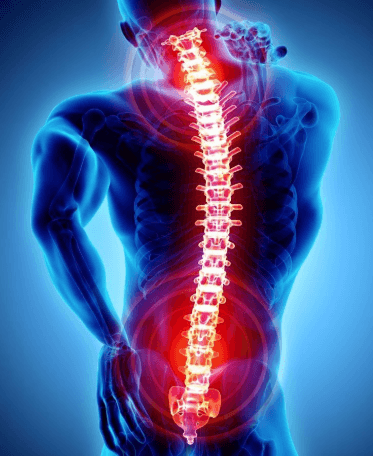
Spinal stenosis happens when the spaces in the spine become narrower because of age-related changes, disc degeneration, or thickened ligaments. This narrowing puts pressure on nearby nerves and may cause:
- ✓ Lower back or neck pain
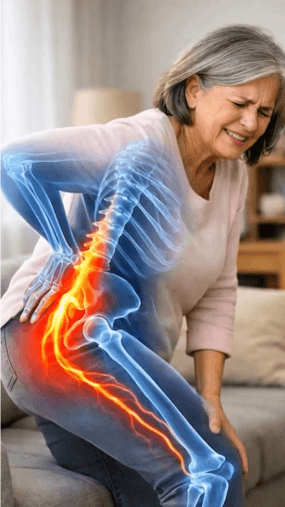
- ✓ Leg pain while walking (neurogenic claudication)
- ✓ Numbness or tingling in arms or legs
- ✓ Weakness in limbs
- ✓ Difficulty standing for long periods
Lumbar stenosis, which affects the lower back, is the most common type. Cervical stenosis, occurring in the neck region, can also happen and may impact balance and hand coordination.
What Causes Spinal Canal Narrowing?
Several factors contribute to spinal stenosis:
- ✓ Age-related disc degeneration
- ✓ Thickening of spinal ligaments
- ✓ Bone spur formation (osteophytes)
- ✓ Herniated discs
- ✓ Previous spine injury or surgery
- ✓ Congenital narrow spinal canal
Early evaluation by a neurospine specialist in Mumbai helps determine the severity and the most suitable treatment plan.
When Is Surgery Required?
Many patients respond to conservative treatment such as medications and physiotherapy. However, surgery may be recommended if:
- ✓ Walking distance becomes progressively shorter
- ✓ Severe leg pain limits daily activities
- ✓ There is worsening weakness or numbness
- ✓ Loss of bladder or bowel control develops
- ✓ Imaging shows significant nerve compression
Timely surgical intervention can prevent permanent nerve damage.
Surgical Options for Spinal Stenosis
Modern spine surgery focuses on relieving nerve pressure while preserving stability:
- ✓ Decompression surgery (Laminectomy) \ Removal of the thickened bone or ligament pressing on nerves.
- ✓ Minimally invasive decompression \ Smaller incisions with faster recovery time.
- ✓ Spinal fusion (if instability is present) \ Stabilizes the spine when excessive movement contributes to symptoms.
These procedures aim to restore nerve function and reduce pain effectively.
Recovery After Spinal Stenosis Surgery
With advanced techniques, recovery is often smooth:
- ✓ Walking begins within 24–48 hours
- ✓ Hospital stay is usually short
- ✓ Light activities resume within a few weeks
- ✓ Structured physiotherapy improves strength and balance
Long-term success depends on rehabilitation and lifestyle adjustments.
Long-Term Outcomes
Most patients notice significant improvement in leg pain and walking capacity after surgery. Long-term results depend on:
- ✓ Duration of nerve compression
- ✓ Overall spinal health
- ✓ Presence of other medical conditions
- ✓ Commitment to post-surgery exercises
With expert neurospine treatment in Mumbai, many individuals regain independence and return to active lifestyles.
Frequently Asked Questions
- Q: Is spinal stenosis surgery safe? \ Yes, when done by a skilled spine surgeon, it is usually safe and very effective at relieving nerve pressure.
- Q: How long does recovery take after spinal stenosis surgery? \ Initial recovery takes a few weeks. Full recovery and strengthening may take a few months, depending on the individual's condition.
Conclusion
Spinal stenosis can greatly impact mobility and daily comfort, but it is treatable. With a timely diagnosis, modern surgical methods, and specialized neurospine care in Mumbai, patients can find lasting pain relief and a better quality of life. Seeing an experienced neurospine specialist guarantees safe treatment and full recovery support.
Have a question about this topic?
Book a consultation for personalised, expert advice.