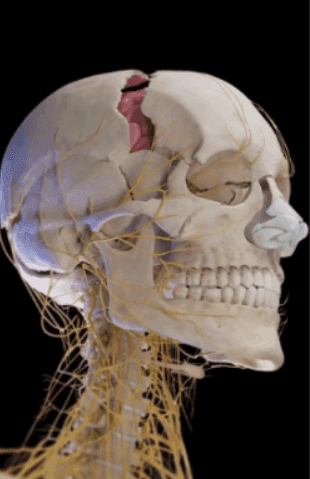
Redefining Hope: The Multidisciplinary Approach to Recurrent Brain Tumors
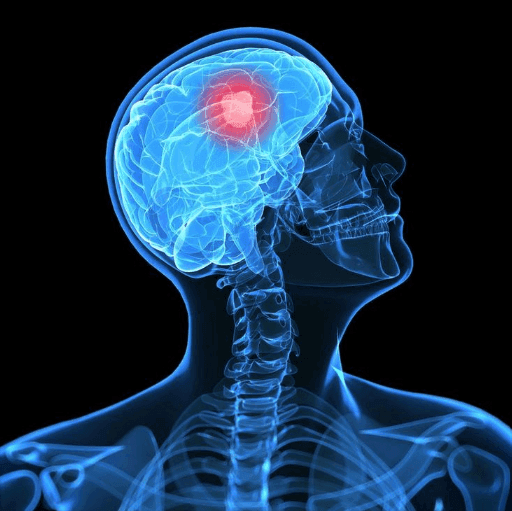
One of the first questions families ask after a stroke is simple, but very heavy: “Doctor, will he move again? Will she ever walk?
Redefining Hope: The Multidisciplinary Approach to Recurrent Brain Tumors
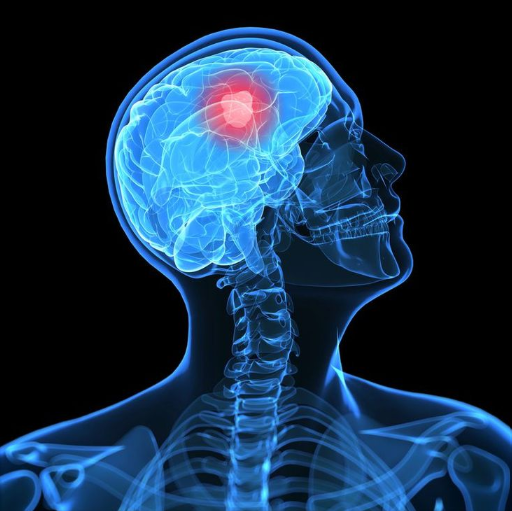
Receiving news that a primary brain tumor has recurred after initial treatment is profoundly distressing. However, within the realm of modern neuro-oncology, a tumor recurrence is not an endpoint; it is an immediate prompt for aggressive, highly tailored neurosurgical and oncological management.
Because malignant tumors alter their genetic blueprint over time, a recurrent lesion must be evaluated and treated with entirely fresh clinical parameters.
Advanced Modalities for Re-Resection
- • Fluorescence-Guided Surgery (5-ALA): The patient ingests a targeted compound pre-operatively that causes malignant cells to emit a bright pink fluorescence under specialized microscopic light, sharply differentiating tumor margins from healthy cortical tissue.
- • **Intraoperative Neuro-Navigation:**Updated MRI models compensate for structural shifts from previous surgeries, safely steering instruments away from critical neurovascular structures.
- • **Genomic Profiling:**Excised recurrent tissue is immediately sequenced for molecular subtyping, unlocking pathways for highly specific, targeted adjuvant immunotherapies.
Clinical Takeaway
Managing recurrence requires a multidisciplinary tumor board approach. Combining advanced fluorescence-guided resection with personalized molecular therapy provides a strategic framework to target the disease while preserving the patient’s neurological baseline.
Have a question about this topic?
Book a consultation for personalised, expert advice.