Neuromonitoring in Spine Surgery: Reducing the Risk of Paralysis
One of the first questions families ask after a stroke is simple, but very heavy: “Doctor, will he move again? Will she ever walk?
Neuromonitoring in Spine Surgery: Reducing the Risk of Paralysis+

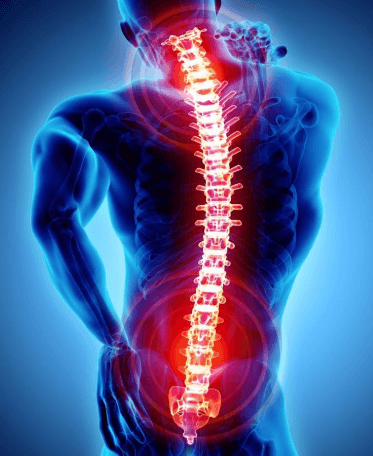
Spine surgery can be complex and delicate, with even minor mistakes posing risks to spinal cord function. Modern technology, such as
intraoperative neuromonitoring (IONM)
, has dramatically improved patient safety. By providing
real-time nerve monitoring
, neurosurgeons can better protect the spinal cord and reduce the risk of paralysis. Patients in Mumbai now have access to these advanced tools through expert
spine surgery specialists
and cutting-edge facilities.
What Is Neuromonitoring in Spine Surgery?
Neuromonitoring
is a technique used during surgery to continuously track the electrical activity of the spinal cord and nerves. Sensors placed on the patient’s body relay signals to the surgical team, providing immediate feedback about nerve function. This allows surgeons to detect potential injury before permanent damage occurs. Key benefits include:
- ✓ Enhanced spinal cord protection
- ✓ Safer execution of complex spine procedures
- ✓ Immediate feedback for the surgeon to prevent nerve injury
- ✓ Improved outcomes in advanced spine care
This advanced approach represents the cutting edge of advanced spine care.
Benefits of Endoscopic Spine Surgery
During spine surgery, neuromonitoring tracks nerve signals using several techniques:
- ✓ Somatosensory Evoked Potentials (SSEPs) – Measures nerve response to sensory stimulation
- ✓ Reduced postoperative pain and scarring
- ✓ Motor Evoked Potentials (MEPs) – Assess motor pathways by stimulating the brain and measuring muscle responses
- ✓ Electromyography (EMG) – Detects nerve irritation or injury in real time
These methods allow the surgical team to adjust their approach immediately if a nerve is at risk, maximizing safety during the operation.
Why Neuromonitoring Is Important
Spine surgeries such as scoliosis correction, tumor removal, or complex
spinal cord decompression
carry a risk of nerve injury. Neuromonitoring helps:
- ✓ Prevent accidental nerve damage
- ✓ Reduce the likelihood of postoperative paralysis
- ✓ Support spinal surgery safety in high-risk cases
- ✓ Enable surgeons to operate with greater confidence
For patients in Mumbai, access to a skilled
neurosurgeon
using the latest
spine operation technology
is essential for optimal results.
Frequently Asked Questions
- Q: How does neuromonitoring work during spine surgery? \ Neuromonitoring works by continuously measuring electrical activity in the spinal cord and nerves. Sensors detect changes in signal strength or patterns, alerting surgeons if a nerve is at risk. This allows immediate intervention to prevent permanent damage.
- Q: Can neuromonitoring completely prevent surgical paralysis? \ While neuromonitoring greatly reduces the risk of nerve injury, it cannot guarantee 100% prevention. It is a critical safety tool that, when combined with surgical expertise, significantly improves the chances of avoiding paralysis.
Conclusion
Intraoperative neuromonitoring
is transforming spine surgery by enhancing safety and protecting nerve function. Patients undergoing complex spinal procedures in Mumbai benefit from
advanced spine care
that combines technology with the skill of experienced
spine surgery specialists
. By integrating neuromonitoring into surgery, surgeons can reduce risks and improve outcomes, offering patients confidence and peace of mind.
Have a question about this topic?
Book a consultation for personalised, expert advice.