How Medical Conferences Are Shaping the Future of Brain and Spine Care
One of the first questions families ask after a stroke is simple, but very heavy: “Doctor, will he move again? Will she ever walk?
How Medical Conferences Are Shaping the Future of Brain and Spine Care

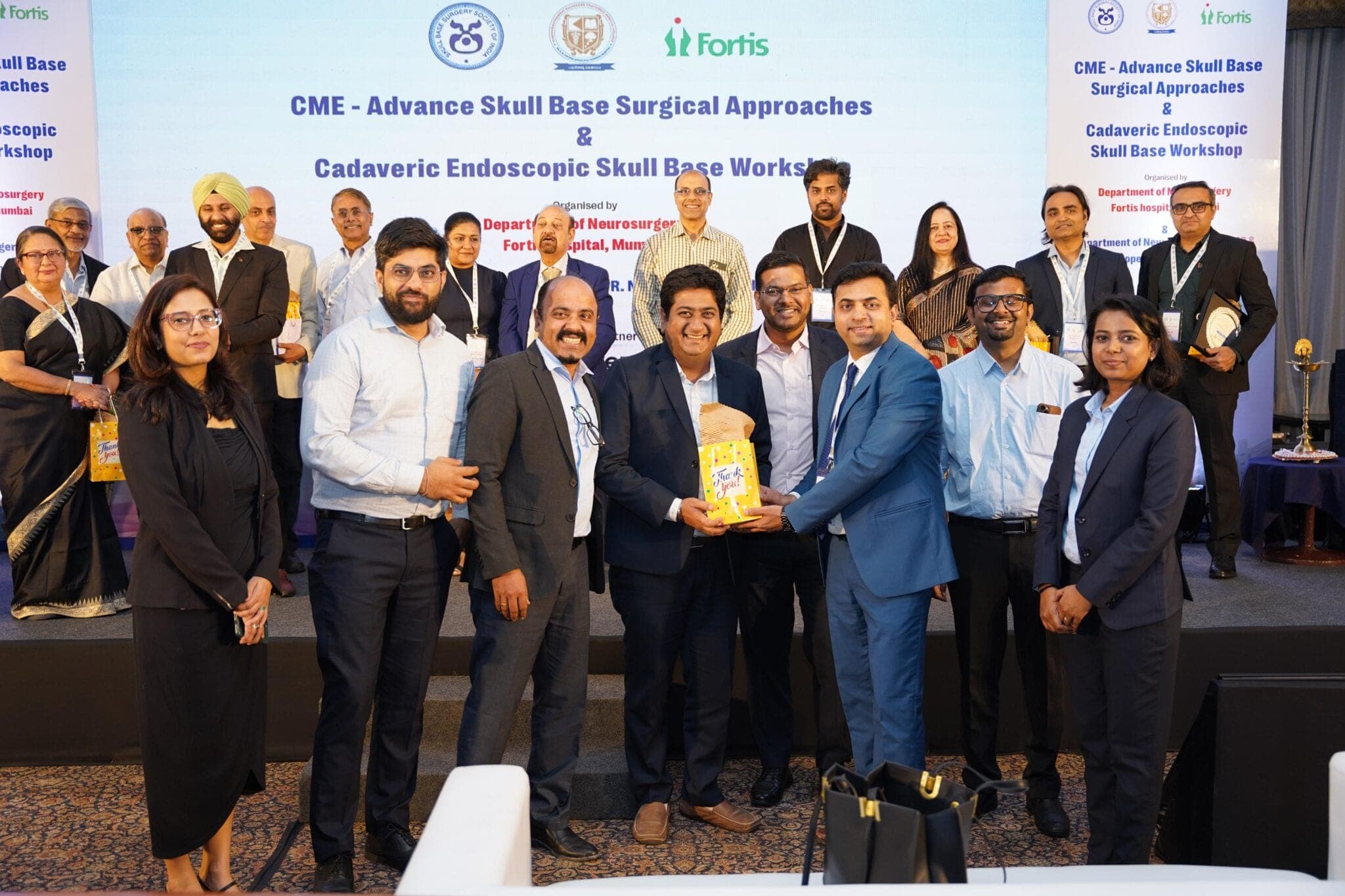
The field of neurosciences is constantly evolving, with new techniques, technologies, and treatment approaches emerging every year. While patients often focus on hospitals and doctors, an important factor behind these advancements is the role of medical conferences and clinical gatherings.
These events bring together experts from across the country to share knowledge, discuss complex cases, and explore the latest innovations in brain and spine care. As a result, they play a crucial role in improving patient outcomes and shaping the future of neurosurgery.
Why Medical Conferences Matter
Medical conferences are not just formal events—they are platforms for collaboration and learning. Neurosurgeons, neurologists, and healthcare professionals come together to exchange ideas and stay updated with the latest developments in their field.
This continuous learning helps doctors refine their skills, adopt better techniques, and provide more effective treatment to patients.
Sharing Knowledge and Real-World Experience
One of the most valuable aspects of such conferences is the discussion of real clinical cases. Doctors present challenging situations, share treatment approaches, and learn from each other’s experiences.
This exchange of practical knowledge helps in improving decision-making and ensures that patients receive care based on the most up-to-date medical practices.
Exposure to Advanced Technologies
Modern neurosurgery relies heavily on advanced technology. Conferences often showcase new tools, surgical techniques, and innovations such as minimally invasive procedures.
By understanding and adopting these advancements, doctors can offer treatments that are more precise, less invasive, and associated with faster recovery.
Encouraging Multidisciplinary Collaboration
Brain and spine conditions often require a team-based approach. Conferences bring together specialists from different fields, including neurology, neurosurgery, rehabilitation, and critical care.
This collaborative environment ensures a more comprehensive understanding of patient care, leading to better diagnosis, treatment planning, and recovery support.
Impact on Patient Care
Although patients may not directly attend these events, they benefit greatly from them. The knowledge and skills gained by doctors translate into improved treatment strategies, safer procedures, and better outcomes.
Advancements discussed in such platforms often lead to the adoption of new standards of care, ensuring that patients receive the best possible treatment.
Have a question about this topic?
Book a consultation for personalised, expert advice.