Endoscopic Spine Surgery: The Future of Minimally Invasive Spinal Care
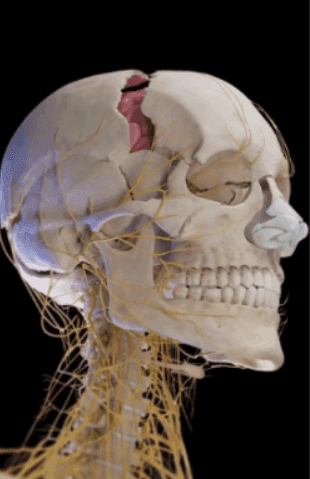
One of the first questions families ask after a stroke is simple, but very heavy: “Doctor, will he move again? Will she ever walk?
Endoscopic Spine Surgery: The Future of Minimally Invasive Spinal Care
Back pain can be debilitating, affecting daily life, work, and mobility. Traditional spine surgeries often require large incisions and extended recovery times. Today, endoscopic spine surgery, also known as
keyhole spinal surgery
, is transforming the field of spinal care. With highly precise, minimally invasive techniques, patients can now experience effective treatment with faster recovery and less discomfort. Leading
minimally invasive spine neurosurgeons in Mumbai
are using this advanced approach for conditions like herniated discs, spinal stenosis, and chronic back pain.
What Is Endoscopic Spine Surgery?
Endoscopic spine surgery is a
minimally invasive procedure
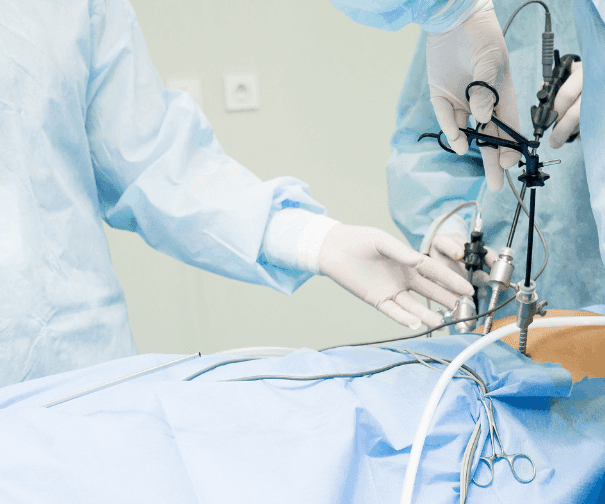
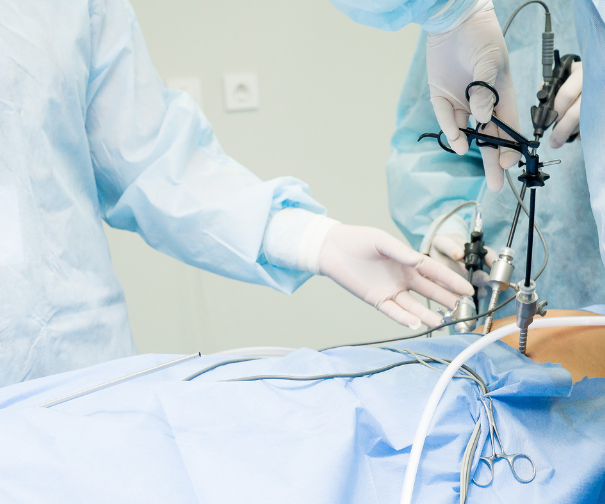
where surgeons use a small camera and specialized instruments to operate through tiny incisions. The technique allows the surgeon to remove problematic tissue, relieve nerve compression, and stabilize the spine without large cuts or extensive tissue disruption. Common procedures include:
- ✓ Herniated disc removal to alleviate leg or back pain
- ✓ Spinal stenosis surgery to relieve nerve pressure
- ✓ Treatment for chronic back pain caused by degenerative disc disease
This advanced approach represents the cutting edge of advanced spine care.
Benefits of Endoscopic Spine Surgery
- ✓ Smaller incisions and less tissue damage
- ✓ Reduced postoperative pain and scarring
- ✓ Shorter recovery time for spine surgery compared to traditional open surgery
- ✓ Faster return to work and daily activities
- ✓ Lower risk of infection and complications
- ✓ High precision and effectiveness
Patients in Mumbai seeking
back pain treatment
increasingly prefer endoscopic procedures due to these advantages.
How It Works
- ✓ A tiny incision is made near the affected vertebra
- ✓ A small camera (endoscope) is inserted to provide a clear view
- ✓ Specialized instruments remove or repair damaged discs or bone spurs
- ✓ Nerve pressure is relieved, restoring normal function
Patients are typically discharged within a day or two, with most resuming light activity shortly after surgery.
Frequently Asked Questions
- Q: What’s the difference between open and endoscopic spine surgery? \ Open spine surgery involves larger incisions and more extensive tissue manipulation, often leading to longer recovery. Endoscopic spine surgery uses small keyhole incisions, specialized cameras, and instruments to perform the same procedures with minimal disruption. Recovery is faster, and postoperative pain is reduced.
- Q: Is endoscopic surgery effective for slipped discs? \ Yes. Endoscopic surgery is highly effective for treating slipped or herniated discs. It removes the portion of the disc compressing nerves while preserving surrounding healthy tissue, resulting in immediate pain relief and faster rehabilitation.
Conclusion
Endoscopic spine surgery
is revolutionizing how back problems are treated, offering patients an effective solution with minimal invasiveness. For those struggling with chronic back pain, herniated discs, or spinal stenosis, consulting a
minimally invasive spine neurosurgeon in Mumbai
can provide access to the latest in advanced spine care, ensuring faster recovery and better long-term outcomes.
Have a question about this topic?
Book a consultation for personalised, expert advice.