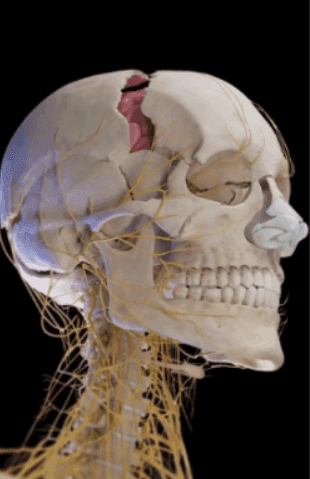
Awake Craniotomy: Demystifying Brain Surgery While the Patient is Awake
One of the first questions families ask after a stroke is simple, but very heavy: “Doctor, will he move again? Will she ever walk?
Awake Craniotomy: Demystifying Brain Surgery While the Patient is Awake
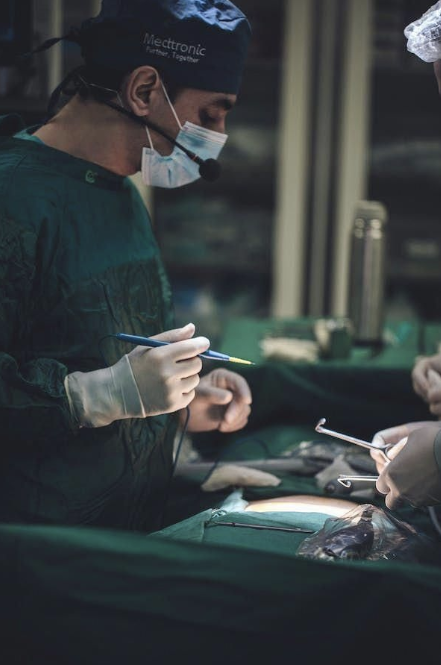
The prospect of undergoing brain surgery while remaining awake is an understandably anxiety-inducing concept. However, an awake craniotomy is one of the most sophisticated, refined, and safe surgical techniques utilized in modern neuro-oncology to protect a patient’s fundamental functional independence.
When a primary brain tumor develops within or adjacent to "eloquent areas"-regions responsible for expressive speech, language comprehension, and motor control-achieving a maximal safe resection becomes a highly complex task.
The Three-Phase Surgical Workflow
- • The Sedation Phase: The patient is placed under specialized, light sedation while the craniotomy is performed. Advanced regional nerve blocks completely anesthetize the scalp, ensuring absolutely zero pain.
- • The Functional Mapping Phase: The sedation is cleared, and the patient transitions to a fully awake, alert state. Because brain tissue lacks pain receptors, the patient feels no discomfort. A neuropsychologist engages the patient in specific tasks (naming objects, reading) while the surgeon gently stimulates the brain surface to map critical pathways.
- • The Resection Phase: Armed with a real-time map, the surgeon safely resects the tumor while the patient is continually monitored, before being placed back under light sedation for closure.
Clinical Takeaway
By actively interacting with the patient during tumor mobilization, the surgical team receives a living, dynamic map of the mind. This allows for maximal tumor removal while fiercely preserving language, personality, and physical movement.
Have a question about this topic?
Book a consultation for personalised, expert advice.