Advances in Spine Surgery: How Modern Techniques are Making Treatment Safer and Faster
One of the first questions families ask after a stroke is simple, but very heavy: “Doctor, will he move again? Will she ever walk?
Advances in Spine Surgery: How Modern Techniques are Making Treatment Safer and Faster
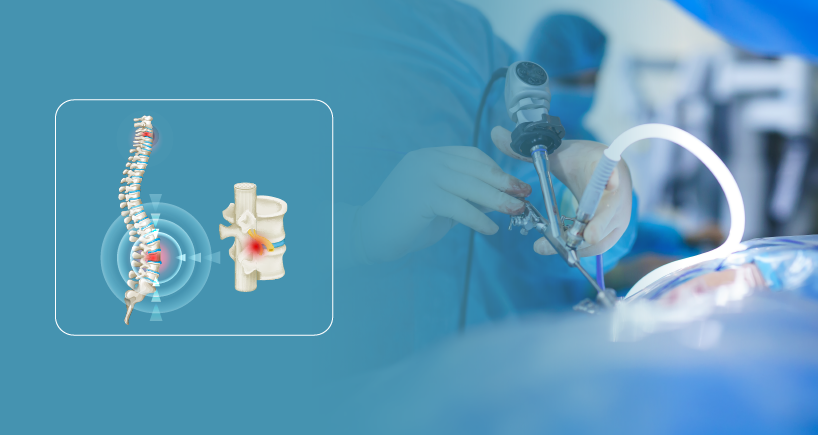
Back pain and spine-related problems are among the most common health concerns today. Many people experience discomfort due to long working hours, poor posture, lack of physical activity, or age-related degeneration. While most cases improve with rest and conservative treatment, some conditions such as slip disc, spinal stenosis, or nerve compression may require surgical intervention.
With rapid advancements in neurosciences and modern surgical technology,
spine surgery is now becoming safer, more precise, and associated with quicker recovery.
This is one of the key reasons why advanced neurosciences conclaves and expert discussions play an important role in shaping the future of brain and spine care.
Why Spine Disorders Are Increasing Today
Modern lifestyle habits have contributed significantly to the rise in spine problems. Prolonged sitting, excessive screen time, and poor ergonomics place constant strain on the neck and lower back. Over time, this can lead to disc degeneration, nerve compression, and chronic pain.
Conditions such as cervical spine issues, lumbar disc prolapse, and sciatica are now being seen even in younger individuals, making early awareness and timely treatment essential.
What is Modern Spine Surgery?
Modern spine surgery focuses on treating the root cause of pain while protecting surrounding muscles, nerves, and tissues. Unlike older methods that required larger incisions and longer recovery, today’s approaches are designed to be more targeted and less traumatic.
Minimally invasive spine surgery uses specialised instruments and advanced imaging to access the affected area with smaller cuts, reducing post-operative discomfort and improving recovery time.
Key Advancements in Spine Surgery
- • Minimally invasive surgical techniques\ \ These procedures allow surgeons to treat spine conditions through smaller incisions, reducing tissue damage and lowering the risk of complications.
- • Improved imaging and diagnosis\ \ Advanced MRI and CT scans help doctors identify the exact source of pain, leading to more accurate treatment planning.
- • Better nerve protection and precision\ \ Modern surgical tools enable surgeons to operate with greater control, reducing the chances of nerve injury and improving outcomes.
- • Faster rehabilitation and recovery\ \ Early mobilisation and structured rehabilitation plans now play a major role in helping patients regain strength and return to daily life.
- • Reduced hospital stay\ \ Many spine procedures now allow patients to recover quicker, often leading to shorter hospitalisation compared to traditional surgery.
Common Spine Conditions That May Require Surgery
Not all back or neck pain requires surgery. However, in certain cases, surgical treatment becomes necessary when symptoms worsen or conservative methods fail.
Conditions that may require surgical management include slip disc, spinal stenosis, severe nerve compression, spine instability, and cases where pain is associated with weakness, numbness, or difficulty walking.
When Should You Seek Specialist Advice?
Many patients delay seeking help, assuming back pain is normal. However, certain warning signs should not be ignored. Pain that radiates to the arms or legs, persistent numbness, weakness, or difficulty controlling bladder or bowel function may indicate nerve involvement and requires urgent evaluation.
Early diagnosis often prevents complications and improves the chances of successful treatment.
Have a question about this topic?
Book a consultation for personalised, expert advice.