
When Spine Disorders Cause Nerve Symptoms: Understanding the Brain–Spine Connection
Comprehensive Guide to Spine Surgery and Nerve Recovery
Spine conditions can impact movement, sensation, strength, and overall quality of life. Many patients experience numbness, weakness, tingling, or even bladder and bowel issues due to spinal nerve compression. Identifying symptoms early and consulting a spine surgeon in Mumbai ensures prompt diagnosis and effective treatment.
Spine conditions can impact movement, sensation, strength, and overall quality of life. Many patients experience numbness, weakness, tingling, or even bladder and bowel issues due to spinal nerve compression. Identifying symptoms early and consulting a spine surgeon in Mumbai ensures prompt diagnosis and effective treatment.
How Spine Disorders Affect Nerves and Function
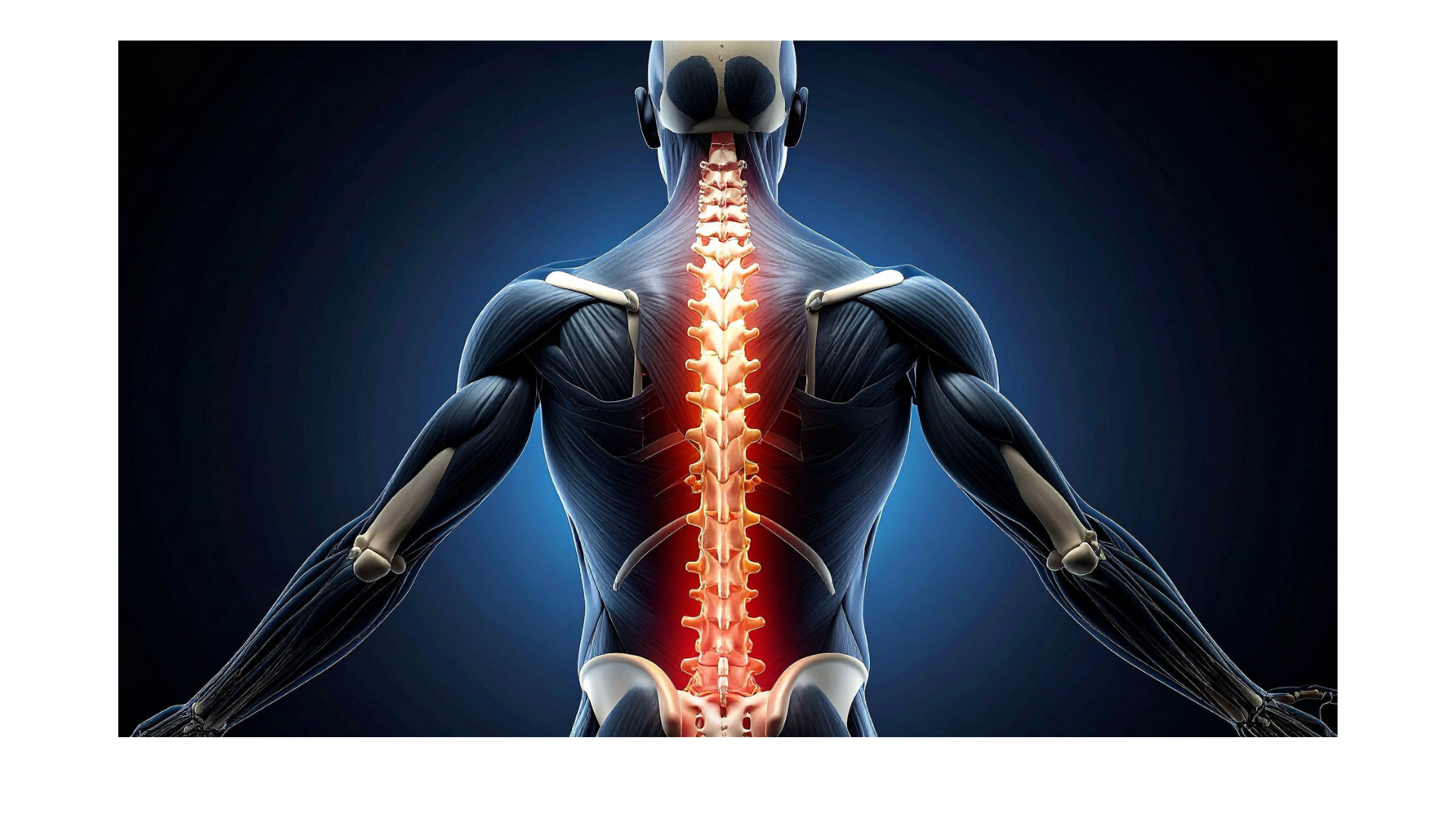
The spine protects the spinal cord and nerve roots that send signals between the brain and body. When these structures are compressed or harmed, patients may experience:
- ✓ Persistent neck or lower back pain
- ✓ Numbness or tingling in the arms or legs
- ✓ Muscle weakness or trouble walking
- ✓ Loss of coordination or balance issues
- ✓ Bladder or bowel problems in severe cases
Why Nerve Symptoms Occur in Spine Conditions
- ✓ Herniated discs pressing on nerve roots
- ✓ Degenerative spine disease (spinal stenosis)
- ✓ Tumors or infections affecting the spine
- ✓ Traumatic injuries causing instability
- ✓ Inflammation and swelling around compressed nerves
Frequently Asked Questions
-
Q: Can a slipped disc cause weakness in the legs?
Yes. A herniated disc can compress nerve roots supplying the legs, leading to weakness, numbness, or shooting pain (sciatica). -
Q: When is spine surgery necessary?
Surgery is recommended when conservative treatment fails, symptoms worsen, or there is progressive neurological deficit such as weakness or bladder involvement.
Conclusion
Spine disorders can significantly impact nerve function and overall mobility. Early diagnosis and expert care from a skilled neurospine specialist in Mumbai can help relieve pain, restore nerve function, and improve quality of life through personalized treatment strategies.
