
What Patients Should Know About Minimally Invasive Brain and Spine Surgery
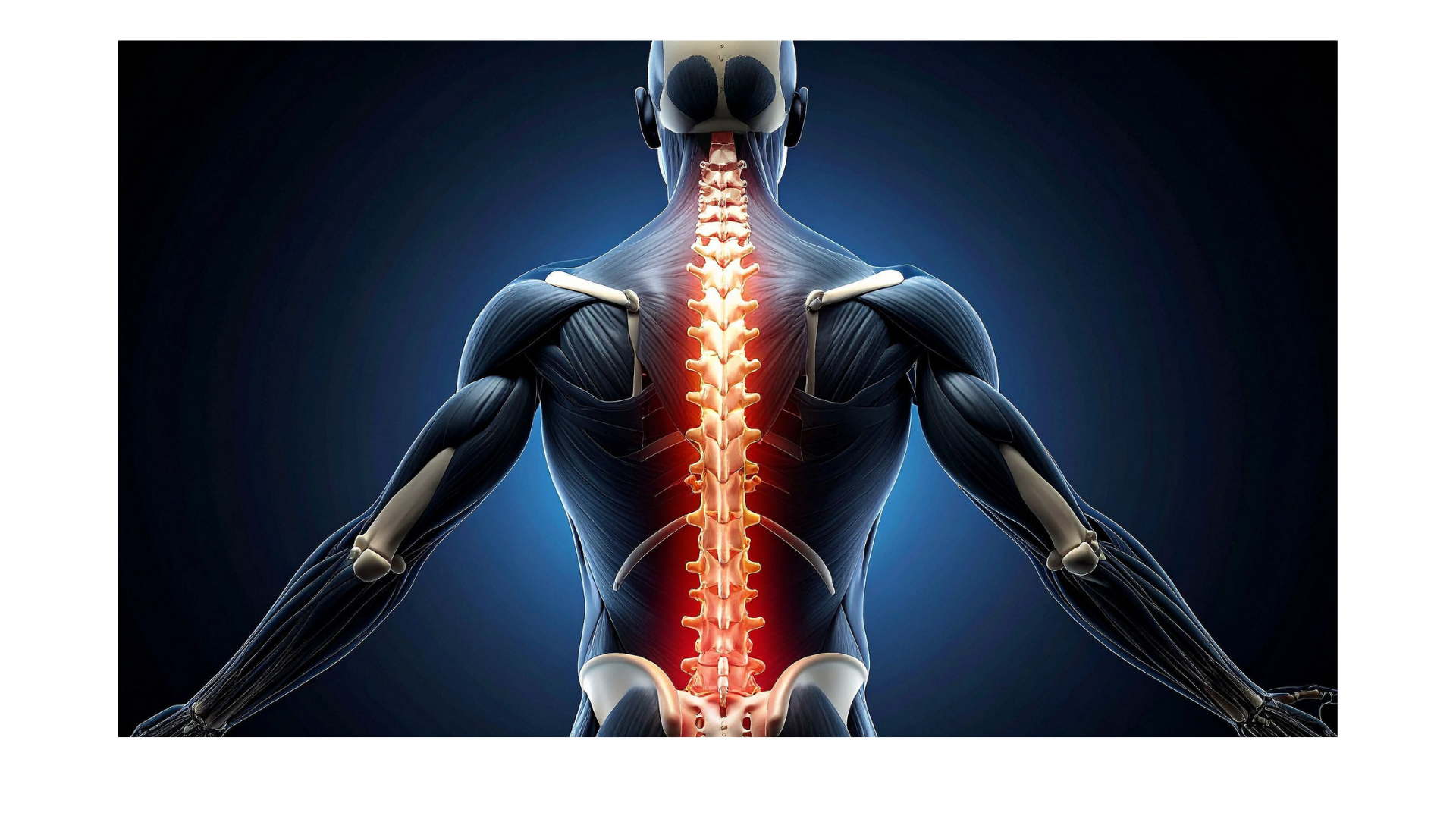 Advancements in medical science have significantly transformed the way brain and spine conditions are treated. One of the most important developments in recent years is the growing use of minimally invasive brain and spine surgery, which offers safer and more efficient treatment options for many neurological conditions.
For patients, understanding what this approach involves can help reduce anxiety and make informed decisions about their treatment.
What is Minimally Invasive Neurosurgery?
Minimally invasive neurosurgery refers to advanced surgical techniques that allow doctors to treat brain and spine conditions using smaller incisions and specialised instruments. Unlike traditional surgery, which may require larger openings, these procedures are designed to minimise disruption to surrounding tissues.This approach is commonly used in the treatment of conditions affecting the brain, spine, and nerves, including certain tumours, spinal disorders, and nerve compression issues.
How is it Different from Traditional Surgery?
The main difference lies in precision and recovery. Traditional surgical methods often involve larger incisions, which can lead to more tissue damage and longer healing times.Minimally invasive techniques, on the other hand, use advanced imaging and technology to target the affected area with greater accuracy. This reduces trauma to the body and allows for a more controlled and efficient procedure.
Key Benefits for Patients
Conditions That May Benefit from This Approach
Minimally invasive techniques are increasingly used to treat a variety of neurological and spinal conditions. These may include brain tumours, slip disc, spine-related pain, nerve compression, and certain cases of paralysis.However, not all conditions require surgery, and the suitability of this approach depends on individual diagnosis and medical evaluation.
What Should Patients Keep in Mind?
While minimally invasive surgery offers several advantages, it is important to understand that every case is different. A detailed assessment, including imaging and clinical evaluation, is necessary to determine the most appropriate treatment plan.Patients should also focus on overall health, including proper nutrition, physical activity, and rehabilitation, to support recovery after any surgical procedure.
