Jayesh Doctor

Consano Care Clinic logo

OPD

MON - Sat: 11:00 AM - 4:00 PM

Call us

+91-9892805422

email us

jayeshsardhara83@gmail.com

Spinal Tumors and Nerve-Related Symptoms: Understanding the Spine–Brain Connection
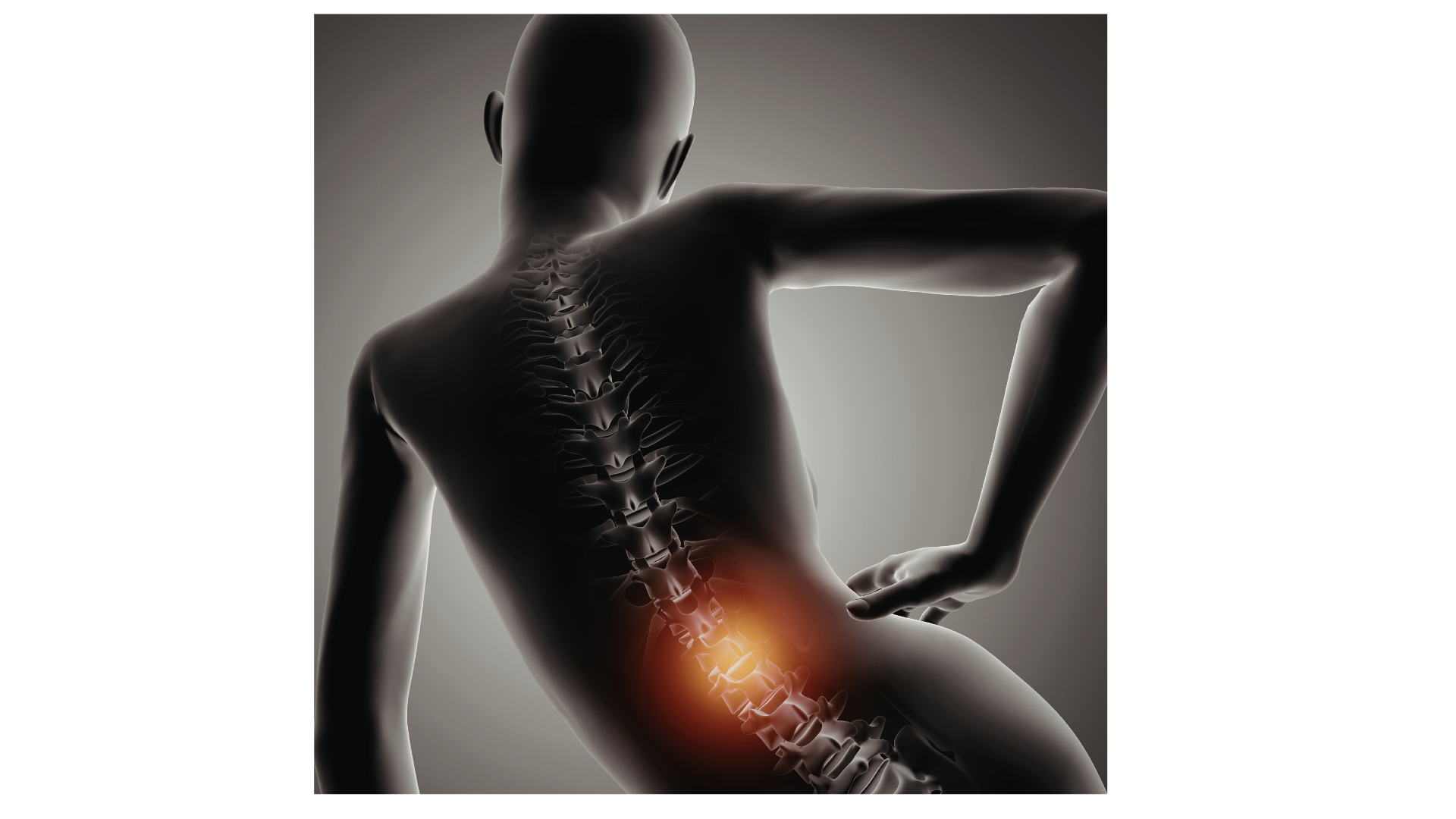
Spinal Tumors and Nerve-Related Symptoms Stroke Paralysis Recovery and Surgery Guide

Spinal tumors can impact much more than just the back. The spinal cord connects the brain to the rest of the body, so any abnormal growth around it can interfere with movement, sensation, and even bladder or bowel control. Early detection and skilled treatment from a spine surgery specialist in Mumbai can greatly improve outcomes and enhance quality of life.

How Spinal Tumors Affect the Body

The spinal cord carries nerve signals for strength, sensation, and coordination. When a tumor forms inside the spinal cord (intramedullary), within its covering (intradural), or in the surrounding bones (extradural), it can compress sensitive nerve structures and lead to:
  • ✓ Persistent back or neck pain, often worse at night
  • ✓ Radiating pain into arms or legs (nerve root pain)
  • ✓ Weakness or difficulty walking
  • ✓ Numbness, tingling, or loss of sensation
  • ✓ Changes in bladder or bowel control
  • ✓ Loss of balance or coordination
Even slow-growing tumors can cause progressive neurological deficits if not treated promptly.

Why Nerve Symptoms Occur

Spinal tumor–related symptoms develop due to:
  • ✓ Direct compression of the spinal cord or nerve roots
  • ✓ Swelling (spinal cord edema) that increases pressure within the spinal canal
  • ✓ Instability of spinal bones due to tumor involvement
  • ✓ Reduced blood supply to the spinal cord
  • ✓ Inflammatory response affecting surrounding tissues
Because the spinal cord has limited space within the spinal canal, even small tumors can produce significant symptoms.

Types of Spinal Tumors

Spinal tumor–related symptoms develop due to:
  • Primary tumors – Originating within the spine or spinal cord
  • Metastatic tumors – Cancer spreading from other organs such as the lung, breast, or prostate
  • Benign tumors – Non-cancerous but still capable of causing compression
  • Malignant tumors – Aggressive growth requiring urgent treatment
Accurate diagnosis through MRI and neurological evaluation is essential to determine the appropriate treatment plan.

Managing Spinal Tumors: A Multidisciplinary Approach

Treatment focuses on both tumor control and preservation of neurological function:
  • Surgical removal – Decompressing the spinal cord and stabilizing the spine if necessary
  • Radiation therapy – For residual tumor or metastatic disease
  • Chemotherapy or targeted therapy – In selected cancer types
  • Pain management – Medications and nerve-directed treatments
  • Rehabilitation therapy – Rehabilitation therapy Physiotherapy to restore strength and mobility
  • Long-term neurological monitoring – Regular follow-up imaging and functional assessments
Collaborating with a neurospine specialist in Mumbai ensures coordinated care that prioritizes both safety and recovery.

Frequently Asked Questions

  • Q: Can spinal tumors cause paralysis?
    Yes. If a tumor significantly compresses the spinal cord and is left untreated, it can cause weakness or even paralysis. Early diagnosis greatly lowers this risk.
  • Q: Is back pain always a sign of a spinal tumor?
    No. Most back pain comes from common issues like muscle strain or disc problems. However, ongoing pain with neurological symptoms, such as weakness, numbness, or changes in bladder function, needs urgent evaluation.

Conclusion

Spinal tumors show the fragile link between the spine and the nervous system. Symptoms might start mild but can worsen if overlooked. Early diagnosis, effective surgical methods, and thorough rehabilitation are essential for safeguarding nerve function and regaining independence. With specialized neurospine care in Mumbai, patients can receive tailored treatment that aids in tumor control and long-term neurological well-being.
wpChatIcon
wpChatIcon