
Slip Disc Surgery: Causes, Treatment, and Long-Term Recovery
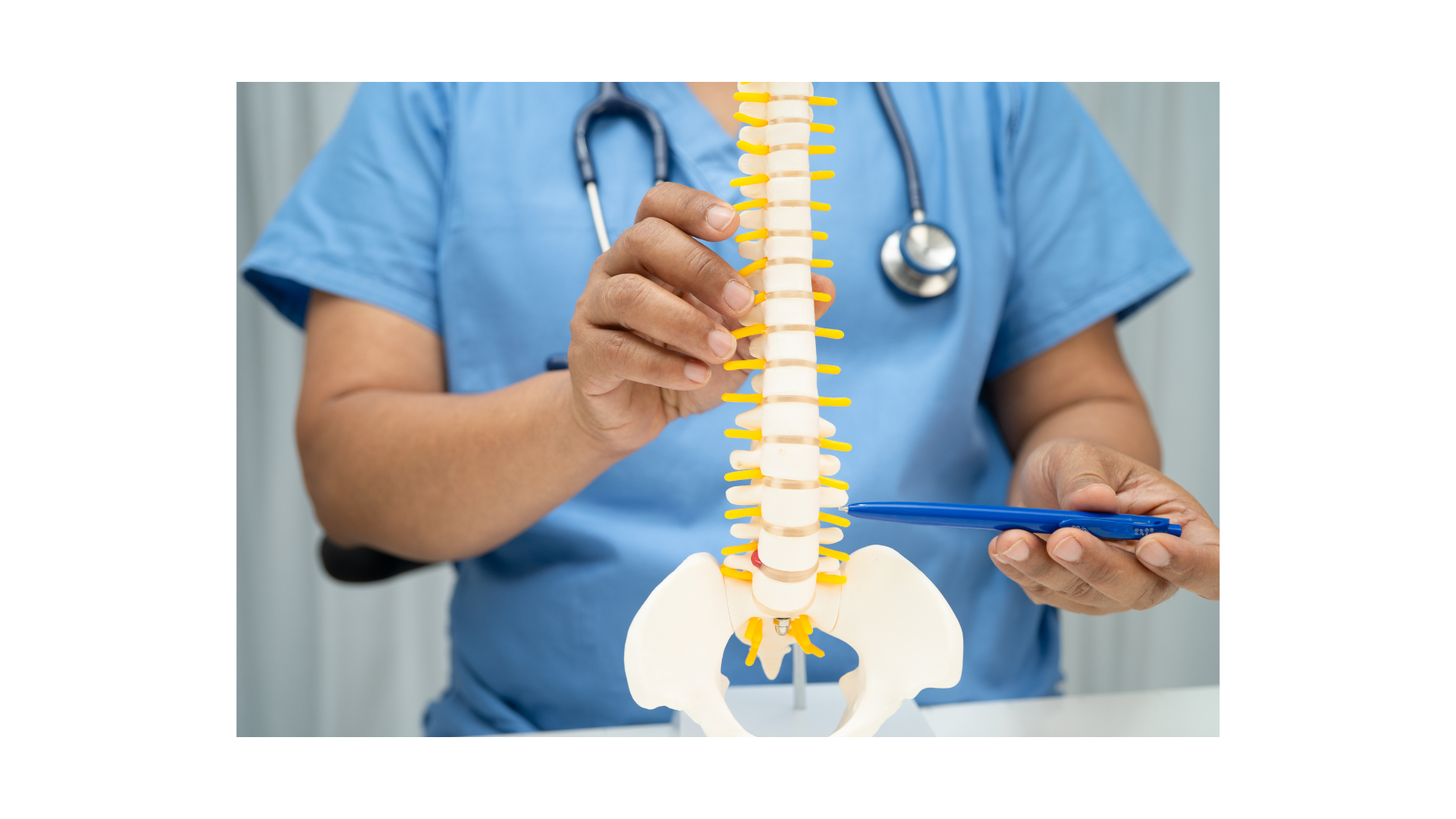
Herniated Disc Treatment and Recovery Guide
A slipped disc, also called a herniated or prolapsed disc, is a common cause of back and leg pain. Many patients improve with medication and physical therapy; however, some may need surgery if their symptoms continue or get worse. With modern spine surgery techniques available in Mumbai, most patients find significant pain relief and better mobility.
A slipped disc, also called a herniated or prolapsed disc, is a common cause of back and leg pain. Many patients improve with medication and physical therapy; however, some may need surgery if their symptoms continue or get worse. With modern spine surgery techniques available in Mumbai, most patients find significant pain relief and better mobility.
What Is a Slipped Disc?
A slipped disc occurs when the soft inner portion of a spinal disc bulges or protrudes through its outer covering. This can compress nearby nerves and cause:
✓ Severe lower back pain
✓ Pain radiating to the leg (sciatica)
✓ Numbness or tingling
✓ Muscle weakness
✓ Difficulty walking or standing
✓ Severe lower back pain
✓ Pain radiating to the leg (sciatica)
✓ Numbness or tingling
✓ Muscle weakness
✓ Difficulty walking or standing
When Is Surgery Needed?
Surgery may be recommended if:
✓ Pain persists beyond 6–8 weeks
✓ Progressive muscle weakness
✓ Severe nerve compression
✓ Loss of bladder or bowel control
✓ MRI confirms disc prolapse
✓ Pain persists beyond 6–8 weeks
✓ Progressive muscle weakness
✓ Severe nerve compression
✓ Loss of bladder or bowel control
✓ MRI confirms disc prolapse
Types of Surgery
✓ Microdiscectomy – Removal of herniated fragment via small incision.
✓ Endoscopic Spine Surgery – Minimally invasive technique using camera.
✓ Laminectomy – Bone removal to relieve nerve pressure.
✓ Endoscopic Spine Surgery – Minimally invasive technique using camera.
✓ Laminectomy – Bone removal to relieve nerve pressure.
Recovery After Surgery
✓ Walk within 24 hours
✓ Discharge in 1–3 days
✓ Light activities in 2–4 weeks
✓ Normal routine in 4–8 weeks
Physiotherapy and posture correction are essential for long-term success.
✓ Discharge in 1–3 days
✓ Light activities in 2–4 weeks
✓ Normal routine in 4–8 weeks
Physiotherapy and posture correction are essential for long-term success.
Frequently Asked Questions
Q: Is slipped disc surgery safe?
Yes. Minimally invasive procedures are safe with low complication rates.
Q: Can it recur?
Recurrence is rare. Good posture, exercise, and weight control reduce risk.
Yes. Minimally invasive procedures are safe with low complication rates.
Q: Can it recur?
Recurrence is rare. Good posture, exercise, and weight control reduce risk.
Conclusion
Slip disc surgery provides lasting relief when conservative treatment fails. With modern minimally invasive spine techniques and expert neurospine care in Mumbai, patients can regain comfort, mobility, and quality of life.
