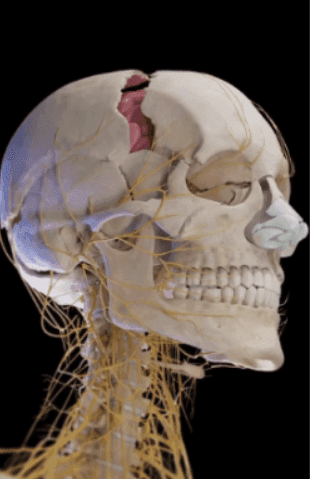
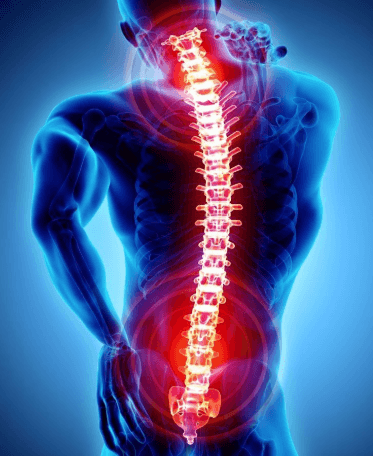
Perioperative Care in Brain and Spine Surgery: Why Recovery Starts Before the Operation

One of the first questions families ask after a stroke is simple, but very heavy: “Doctor, will he move again? Will she ever walk?
Perioperative Care in Brain and Spine Surgery: Why Recovery Starts Before the Operation

When people think about brain or spine surgery, they often focus only on the procedure itself. However, in modern neurosurgery, successful treatment is not defined only by what happens in the operation theatre. Recovery begins much earlier - through a structured process known as
perioperative care
.
Perioperative care refers to the medical planning and support provided
before, during, and after surgery
. It plays a major role in reducing complications, improving recovery, and ensuring better long-term outcomes for patients undergoing brain or spine surgery.
What is Perioperative Care?
Perioperative care is a complete approach to surgical treatment. It includes pre-surgery evaluation, planning, monitoring during the procedure, and post-operative management. This is especially important in neurosurgery because the brain and spine control critical body functions such as movement, speech, breathing, memory, and balance.
Even minor complications can impact neurological function, which is why careful planning and monitoring are essential.
Why Pre-Surgery Preparation Matters
Before surgery, doctors evaluate the patient’s overall health to ensure they are medically fit. This includes checking blood pressure, sugar levels, heart health, and neurological status. Imaging scans such as MRI or CT are carefully analysed to determine the safest surgical approach.
Pre-surgery counselling is equally important. Patients and families are guided about what to expect, how recovery may look, and how rehabilitation will be planned. This reduces anxiety and helps patients feel mentally prepared.
Care During Surgery: Precision and Monitoring
During brain and spine surgery, the medical team monitors vital parameters continuously. Advanced technology helps surgeons operate with precision while minimising damage to surrounding tissues.
In minimally invasive procedures, smaller incisions and specialised tools reduce tissue disruption, which often results in less post-operative pain and faster recovery. The aim is always to treat the condition effectively while preserving neurological function.
Post-Operative Care: Preventing Complications
After surgery, monitoring does not stop. Patients are often observed closely in specialised neurological care units, especially in complex cases such as brain tumours, spine surgery, stroke-related complications, or paralysis.
Post-operative care focuses on managing pain, preventing infection, maintaining stable brain function, and ensuring proper healing. Early detection of complications is one of the most important benefits of structured perioperative management.
Key Elements of Perioperative Neuroscience Care
- • Accurate diagnosis and surgical planning\ \ Detailed evaluation ensures the correct approach is selected and risks are minimised.
- • Advanced monitoring and neurocritical support\ \ Continuous monitoring helps detect early warning signs and improves patient safety.
- • Pain management and infection prevention\ \ Proper medical care reduces discomfort and lowers the risk of complications.
- • Early mobilisation and rehabilitation\ \ Recovery often begins soon after surgery with physiotherapy and guided movement.
- • Nutritional support and lifestyle guidance\ \ Good nutrition plays a major role in healing, strength, and long-term recovery.
The Role of Rehabilitation in Recovery
Rehabilitation is one of the most important parts of neurosurgical recovery. Patients recovering from brain or spine surgery may require physiotherapy, occupational therapy, or speech therapy depending on their symptoms.
In cases involving nerve compression, weakness, or paralysis, early rehabilitation can help improve mobility and independence. Recovery is often faster when rehabilitation is planned as part of the treatment process rather than after complications arise.
Final Thoughts
Perioperative care is a vital part of modern neurosurgery and is often the difference between slow recovery and successful outcomes. By focusing on preparation, precision surgery, neurocritical monitoring, and structured rehabilitation, doctors can ensure safer procedures and better recovery for patients with brain and spine disorders. In today’s advanced neurosciences environment, recovery truly begins before surgery and continues well beyond the operation theatre.
Have a question about this topic?
Book a consultation for personalised, expert advice.