Hydrocephalus in Adults: Recognizing the Classic Triad of NPH
One of the first questions families ask after a stroke is simple, but very heavy: “Doctor, will he move again? Will she ever walk?
Hydrocephalus in Adults: Recognizing the Classic Triad of NPH
<
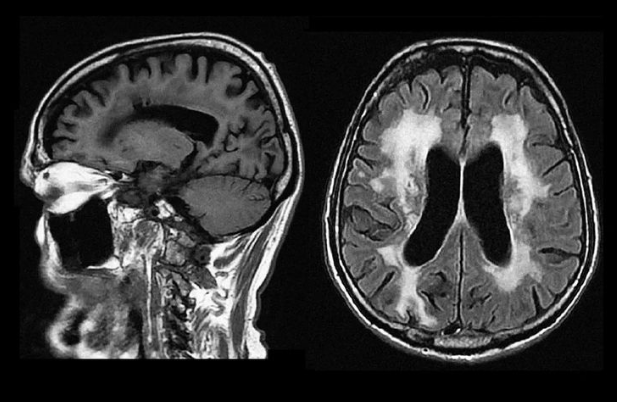
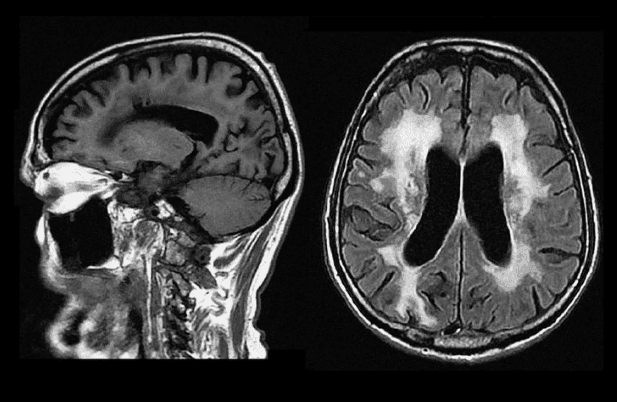
img style="display: block; margin: 50px auto; max-width: 100%; height: auto; border-radius: 25px; box-shadow: 0 25px 50px rgba(143, 27, 27, 0.2); transition: all 0.5s cubic-bezier(0.4, 0, 0.2, 1); border: 4px solid rgba(143, 27, 27, 0.1); transform: perspective(1000px) rotateX(2deg); filter: brightness(1.05) saturate(1.1);" src=https://drjayeshsardhara.com/wp-content/uploads/2026/07/blog-6.png alt=" MRI Brain" Fusion" width="600" height="400" /> In geriatric populations, a gradual decline in mobility and cognitive sharpness is frequently misattributed to normal aging, Alzheimer’s disease, or vascular dementia. However, a significant subset of these patients suffers from Normal Pressure Hydrocephalus (NPH)—a potentially reversible neurological disorder.
NPH is characterized by the pathological accumulation of cerebrospinal fluid (CSF) within the brain’s ventricles, causing them to gently expand and compress adjacent periventricular nerve fiber tracts, despite intracranial pressure remaining relatively normal.
The Diagnostic Clinical Triad
Clinical Validation and Intervention
If a high-volume lumbar puncture (CSF tap test) results in a rapid, observable improvement in gait mechanics, it highly predicts surgical success. The definitive intervention is the implantation of a Ventriculoperitoneal (VP) Shunt, which reroutes excess CSF to the abdominal cavity.
- • 1. Gait Apraxia ("Magnetic Gait"): The earliest and most prominent symptom. Patients walk with a wide-based, short-stepped, shuffling stride, as if their feet are magnetically adhered to the floor.
- • 2. Cognitive Impairment: Mild executive dysfunction, psychomotor slowing, and apathy, which are frequently misdiagnosed as early-stage dementia.
- • 3. Urinary Urgency: Progressing from increased frequency to frank incontinence as neurological control pathways are compressed.
Clinical Takeaway
NPH is one of the few entirely treatable causes of dementia-like symptoms. Early recognition of the classic triad and subsequent shunt placement can dramatically restore mobility, continence, and cognitive clarity.
Have a question about this topic?
Book a consultation for personalised, expert advice.