Epilepsy Myths and Facts: What Every Family Should Know
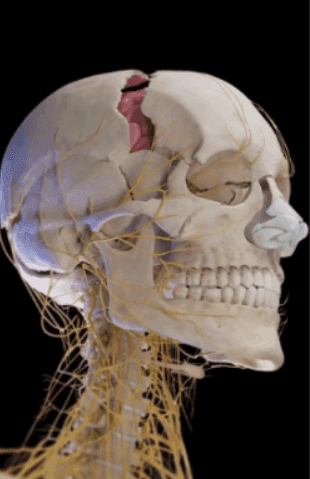
One of the first questions families ask after a stroke is simple, but very heavy: “Doctor, will he move again? Will she ever walk?
Epilepsy Myths and Facts: What Every Family Should Know
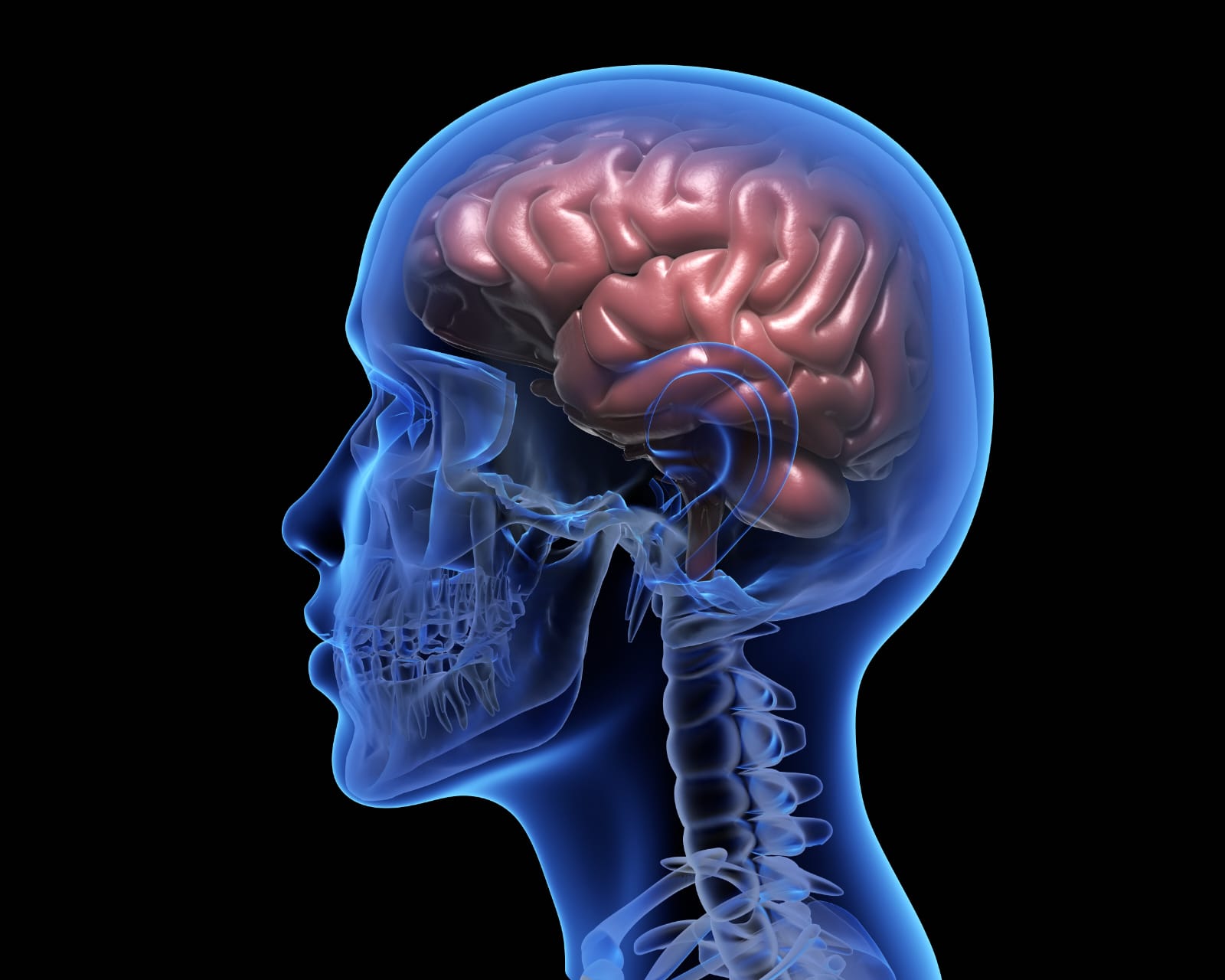
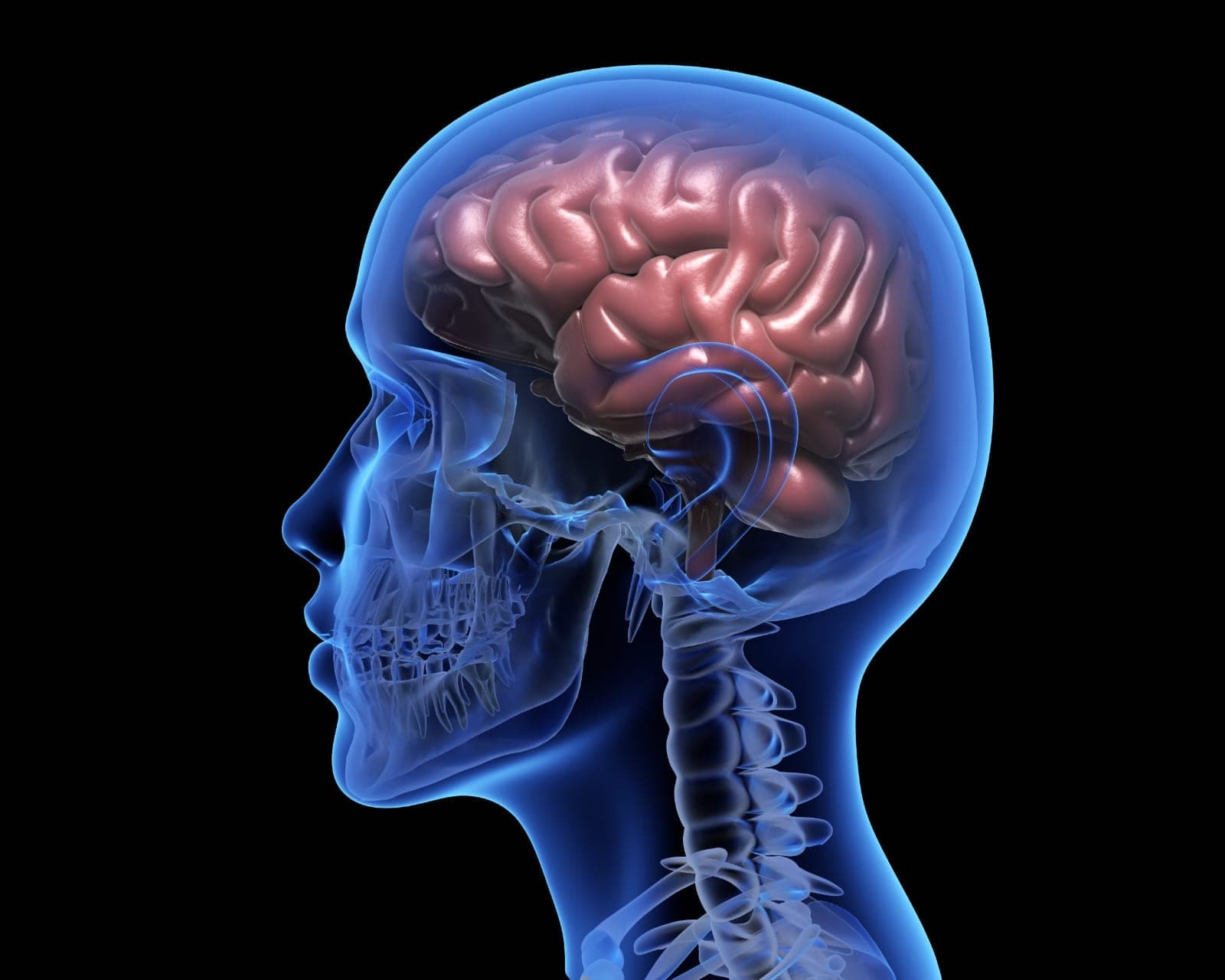
Epilepsy is one of the most misunderstood neurological conditions. Despite being common, it is often surrounded by fear, stigma, and misinformation. Many families feel anxious when they hear the word epilepsy, mainly because they do not know what to expect or how to respond.
The truth is that epilepsy is a medical condition affecting the brain, and with proper diagnosis and treatment, many people with epilepsy live normal, active lives. Understanding the facts can help families respond with confidence rather than panic.
What is Epilepsy?
Epilepsy is a neurological disorder in which a person experiences repeated seizures due to abnormal electrical activity in the brain. A seizure may cause shaking, loss of consciousness, staring episodes, unusual movements, or confusion.
Not every seizure means epilepsy. A person is usually diagnosed with epilepsy when seizures occur repeatedly without a temporary cause such as fever, low sugar, or infection.
Common Myths About Epilepsy (and the Truth)
- Myth 1: Epilepsy is a mental illness\ \ Epilepsy is not a psychiatric disorder. It is a neurological condition related to brain activity. While epilepsy can sometimes affect memory, mood, or learning, it is not a mental illness.
- Myth 2: People with epilepsy cannot live a normal life\ \ Many individuals with epilepsy study, work, drive, get married, and live independently. With correct medication and medical supervision, seizures can often be controlled successfully.
- Myth 3: Epilepsy is always hereditary\ \ Some types of epilepsy may have a genetic component, but many cases occur without any family history. Epilepsy can also develop due to brain injury, infection, stroke, or developmental issues.
- Myth 4: During a seizure, you should put something in the person’s mouth\ \ This is dangerous and incorrect. A person cannot swallow their tongue. Placing objects in the mouth may cause choking or injury.\ The safest action is to turn the person to their side and protect them from harm.
Important Facts Every Family Should Know
- • Epilepsy is treatable\ \ Many patients respond well to anti-seizure medicines. In some cases, seizures may completely stop for years.
- • Triggers can be managed\ \ Lack of sleep, stress, alcohol, and missed medication are common seizure triggers. Identifying triggers helps reduce seizure frequency.
- • Early diagnosis improves outcomes\ \ Proper evaluation with EEG and brain imaging helps identify the cause and choose the correct treatment.
- • Not all seizures look the same\ \ Some seizures involve jerking movements, while others may appear as brief staring spells or confusion. These may be missed if families are unaware.
- • Children with epilepsy can thrive\ \ With treatment and school support, most children can perform well academically and socially.
What to Do During a Seizure (Basic First Aid)
If someone has a seizure:
- • Keep them safe by removing sharp objects nearby
- • Turn them gently onto their side
- • Loosen tight clothing around the neck
- • Do not restrain their movements
- • Do not put anything in their mouth
- • Stay calm and observe the duration
Seek emergency help if the seizure lasts more than 5 minutes, repeats continuously, or the person has breathing difficulty.
When Should You Consult a Specialist?
Medical advice is recommended if seizures occur repeatedly, happen without fever, or are associated with confusion, weakness, or memory changes. A specialist can help identify whether the cause is epilepsy or another neurological issue.
In some cases, seizures may be linked to structural brain conditions, genetic factors, or previous infections, which require detailed evaluation.
Final Thoughts
Epilepsy is a neurological condition, not a curse or a limitation. The biggest challenge often comes from myths and social stigma rather than the condition itself. With awareness, correct treatment, and family support, most people with epilepsy can live healthy and fulfilling lives. Learning the facts is the first step towards reducing fear and improving care.
Have a question about this topic?
Book a consultation for personalised, expert advice.