Jayesh Doctor

Consano Care Clinic logo

OPD

MON - Sat: 11:00 AM - 4:00 PM

Call us

+91-9892805422

email us

jayeshsardhara83@gmail.com

Cervical Disc Herniation: When to Opt for Surgery and When to Continue Conservative Care
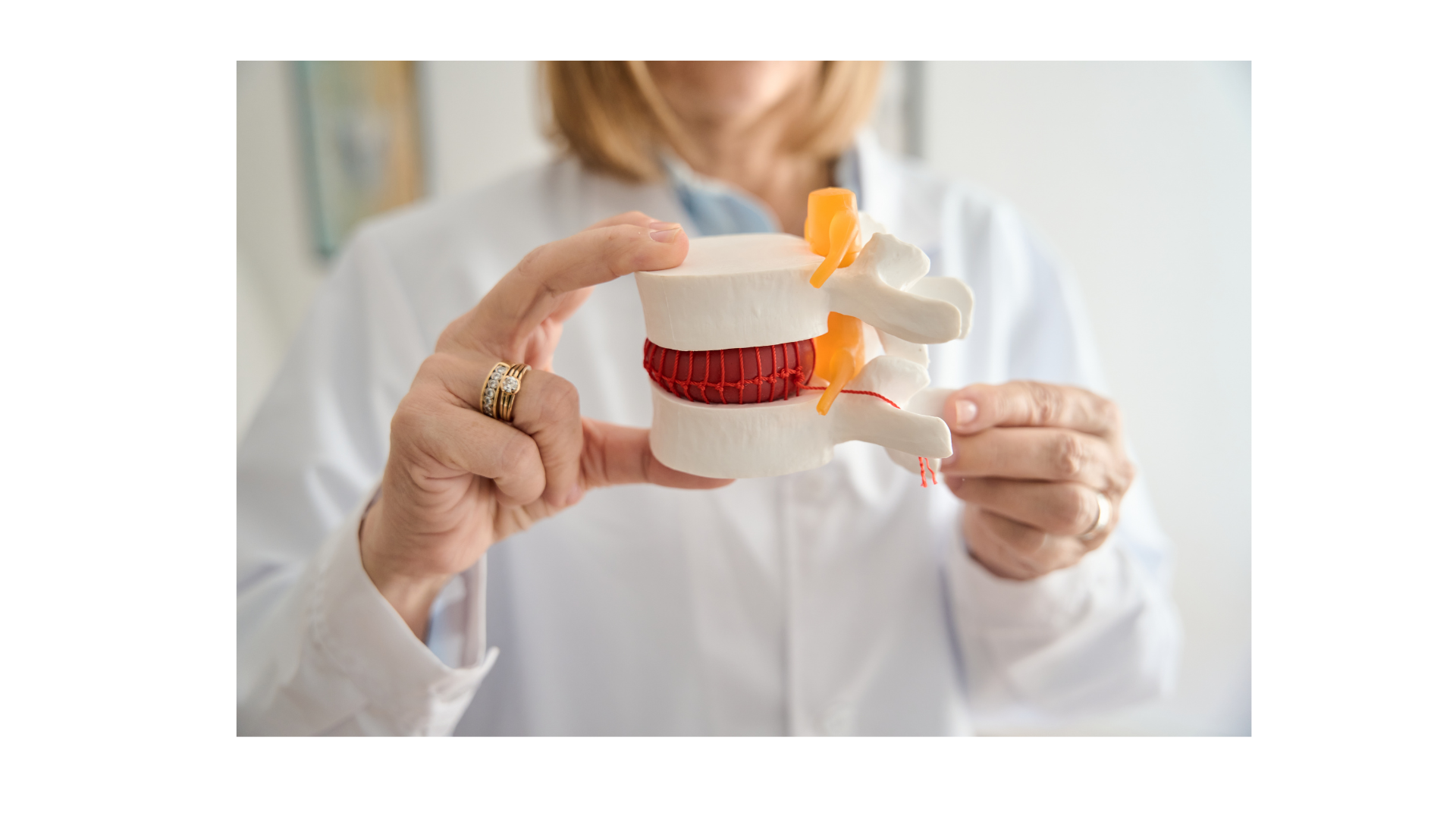
Cervical Disc Herniation Surgery Stroke Paralysis Recovery and Surgery Guide

Cervical disc herniation is a common spine condition that can cause neck pain, arm pain, numbness, or weakness. It occurs when the inner portion of a cervical disc bulges out and presses on nearby nerves or the spinal cord. While many patients improve with non-surgical treatment, some require surgery. Choosing the right time for surgery is crucial and should be decided by experienced spine specialists in Mumbai.

Recognizing Cervical Disc Herniation

Early diagnosis helps prevent long-term nerve damage. The condition is usually identified through:
  • ✓ MRI scan of the cervical spine
  • ✓ Symptoms such as radiating arm pain, tingling, numbness, or muscle weakness
  • ✓ Signs of spinal cord compression, such as balance problems or hand clumsiness
  • ✓ Clinical evaluation by a neurospine specialist
Prompt assessment ensures timely and proper management.

When to Continue Conservative Treatment

Most patients benefit from non-surgical options at first, especially when their symptoms are mild or moderate.
  • ✓ Pain medications and anti-inflammatory drugs
  • ✓ Physiotherapy focused on posture correction and strengthening
  • ✓ Cervical collar support for short-term relief
  • ✓ Epidural steroid injections for persistent nerve pain
Conservative care is usually recommended for 4 to 6 weeks unless there are worsening neurological deficits.

When Surgery Becomes Necessary

Surgery is considered if symptoms persist or worsen despite adequate non-surgical treatment.
  • 1. Progressive Neurological Weakness

    ✓ Increasing arm weakness
    ✓ Difficulty with grip strength
    ✓ Signs of spinal cord involvement
  • 2. Severe or Persistent Pain

    ✓ Pain not responding to medications and physiotherapy
    ✓ Significant impact on daily activities and sleep
  • 3. Myelopathy (Spinal Cord Compression)

    ✓ Balance disturbances
    ✓ Hand coordination problems
    ✓ Bladder symptoms in advanced cases

Surgical Options

  • Anterior Cervical Discectomy and Fusion (ACDF)

    ✓ Removal of the herniated disc
    ✓ Fusion of the affected vertebrae for stability
    ✓ High success rate in relieving arm pain
  • Cervical Disc Replacement

    ✓ Disc removal with artificial disc placement
    ✓ Preserves neck movement
    ✓ Suitable for selected patients
Advanced minimally invasive spine surgery techniques in Mumbai allow faster recovery and reduced hospital stay.

Frequently Asked Questions

  • Q: Can a cervical disc herniation heal without surgery?
    Yes, many cases improve with medication, physiotherapy, and time. Surgery is only needed if symptoms continue or neurological issues arise.
  • Q: Is cervical spine surgery safe?
    With modern techniques and skilled spine surgeons, cervical spine surgery is usually safe and effective, particularly when done at the right time.

Conclusion

Cervical disc herniation needs careful, personalized decision-making. Conservative care is effective for many patients, but timely surgery can prevent lasting nerve damage in some. A thorough assessment by a skilled neurospine specialist in Mumbai provides the safest and most effective treatment plan suited to each patient’s situation.
wpChatIcon
wpChatIcon