
Redefining Hope: The Multidisciplinary Approach to Recurrent Brain Tumors
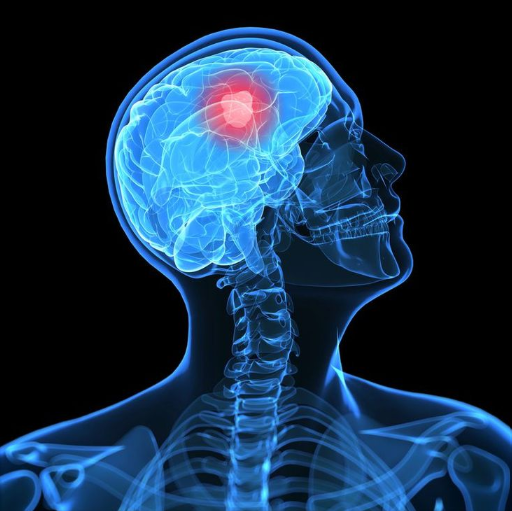 Receiving news that a primary brain tumor has recurred after initial treatment is profoundly distressing. However, within the realm of modern neuro-oncology, a tumor recurrence is not an endpoint; it is an immediate prompt for aggressive, highly tailored neurosurgical and oncological management.
Because malignant tumors alter their genetic blueprint over time, a recurrent lesion must be evaluated and treated with entirely fresh clinical parameters.
