
How Brain Tumour Surgery Has Evolved
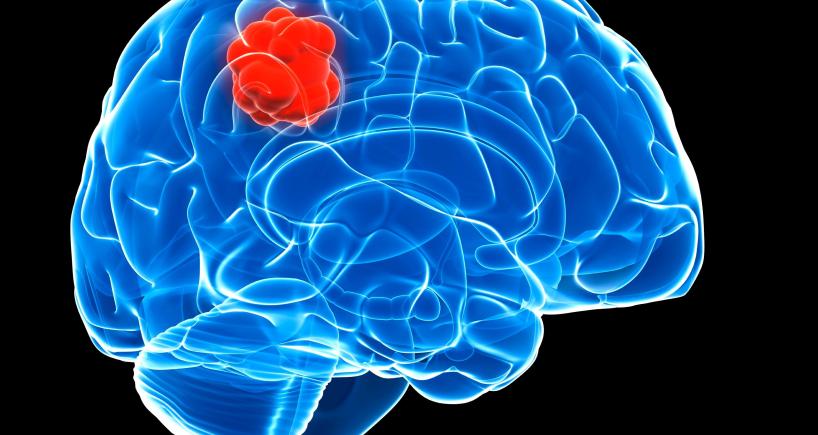 Traditionally, brain surgery was often associated with longer recovery times and higher risk due to the sensitive nature of the brain. However, modern neurosurgery is rapidly shifting towards more advanced and minimally invasive methods.
Today, surgeons rely on better imaging, navigation systems, and specialised microsurgical tools. These developments allow tumours to be treated more accurately while minimising damage to surrounding healthy brain tissue.
Key Advances Improving Brain Tumour Treatment
Why Specialised Neurosciences Centres Matter
Complex conditions like brain tumours require more than surgery alone. Patients benefit most when diagnosis, treatment, surgery, intensive care, and rehabilitation are coordinated under a single specialised team.This integrated approach ensures that treatment is not only effective but also focused on preserving neurological function and improving quality of life.
What This Means for Patients and Families
For patients, these advancements provide reassurance that brain tumour surgery is becoming safer, more controlled, and more outcome-driven. With expert neurosurgical care, modern imaging, and multidisciplinary support, treatment today offers better hope than ever before.It is important to remember that timely consultation and early diagnosis remain the most important factors in achieving successful outcomes.
