Jayesh Doctor

Consano Care Clinic logo

OPD

MON - Sat: 11:00 AM - 4:00 PM

Call us

+91-9892805422

email us

jayeshsardhara83@gmail.com

Lumbar Spinal Stenosis: When Nerve Narrowing Affects Mobilityn
Spinal Tumors and Nerve-Related Symptoms Stroke Paralysis Recovery and Surgery Guide

Lower back pain that worsens while walking and improves with sitting may be more than simple muscle strain. Lumbar spinal stenosis is a condition where the spinal canal in the lower back narrows, compressing the nerves that travel to the legs. With timely diagnosis and guidance from a spine surgery specialist in Mumbai, patients can regain mobility and prevent long-term nerve damage.

How Lumbar Spinal Stenosis Affects the Body

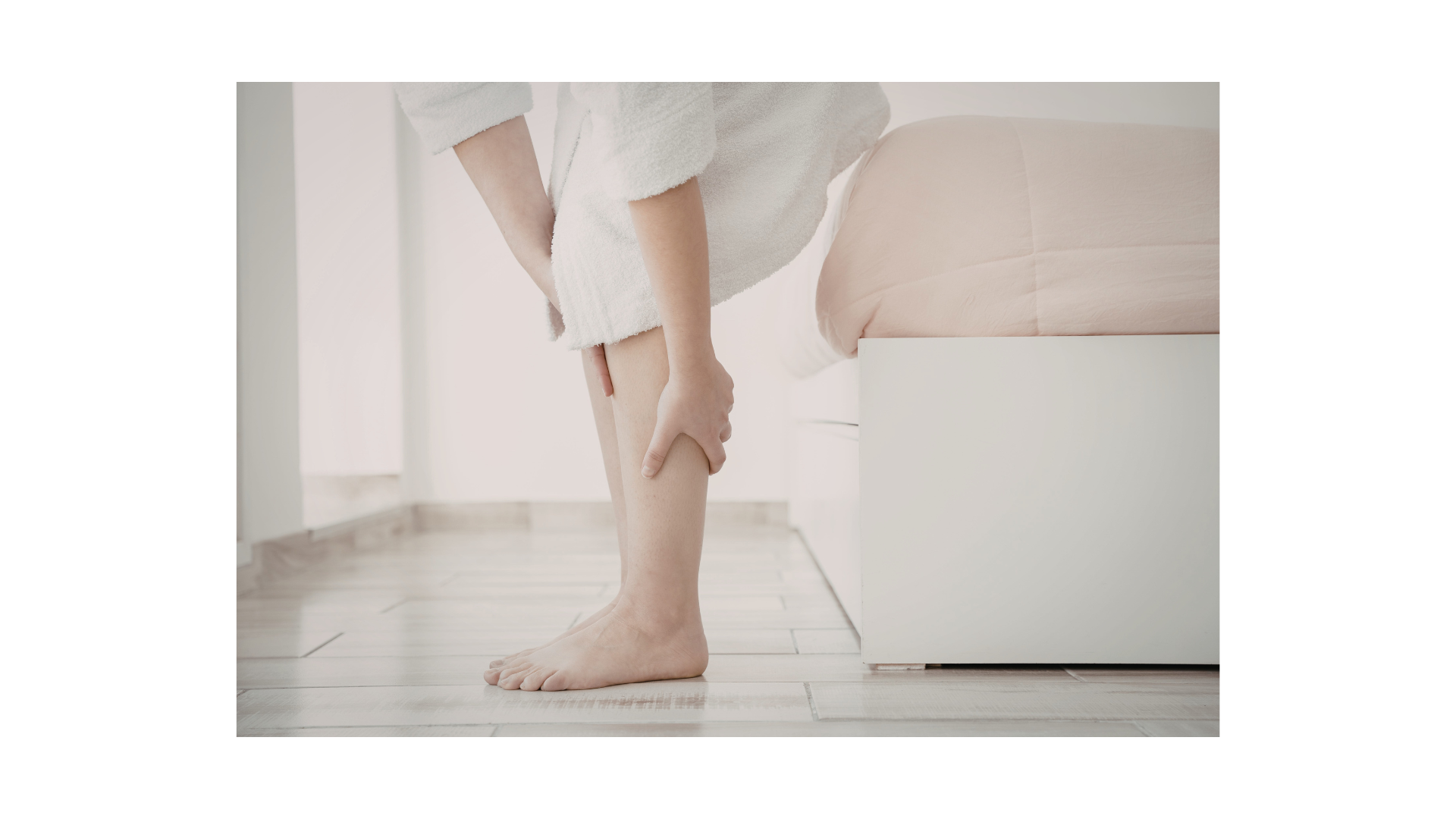
The lumbar spine carries nerves responsible for leg movement, sensation, and bladder function. When the spinal canal becomes narrowed due to age-related degeneration, thickened ligaments, or disc bulging, nerve compression may lead to:
  • ✓ Lower back pain radiating to the buttocks or legs
  • ✓ Numbness or tingling in the legs
  • ✓ Weakness while walking
  • ✓ Cramping pain that improves with bending forward
  • ✓ Difficulty standing for long periods
  • ✓ In severe cases, bladder or bowel disturbances
This pattern of leg pain while walking, known as neurogenic claudication, is a hallmark symptom of lumbar stenosis.

Why Nerve Compression Occurs

Lumbar spinal stenosis develops due to:
  • ✓ Degenerative disc changes reducing space within the spinal canal
  • ✓ Thickening of spinal ligaments with aging
  • ✓ Bone spur formation compressing nerves
  • ✓ Disc protrusion adding pressure on nerve roots
  • ✓ Previous spinal injuries or surgeries
Because the lower spine supports body weight, progressive narrowing can gradually worsen symptoms if untreated.

When to Seek Immediate Care

Urgent evaluation is necessary if you notice:
  • ✓ Sudden worsening of leg weakness
  • ✓ Loss of bladder or bowel control
  • ✓ Severe numbness in the groin or inner thighs
  • ✓ Inability to walk short distances due to pain
MRI imaging and neurological assessment help confirm the diagnosis and determine severity.

Treatment Options: Restoring Comfort and Function

Management depends on symptom intensity and nerve involvement:
  • Conservative therapy – Physiotherapy, posture correction, and strengthening exercises
  • Medications – Anti-inflammatory drugs and nerve pain modulators
  • Epidural steroid injections – Reducing inflammation around compressed nerves
  • Minimally invasive decompression surgery – Creating more space for nerves
  • Spinal stabilization procedures – If instability or slippage is present
  • Rehabilitation programs – Improving walking endurance and balance
Consulting a neurospine specialist in Mumbai ensures a comprehensive treatment plan that prioritizes mobility and long-term spinal stability.

Frequently Asked Questions

  • Q: Is lumbar spinal stenosis only seen in older adults?
    It is more common after age 50 due to degenerative changes, but younger individuals can develop it due to injury or congenital narrowing.
  • Q: Does everyone with spinal stenosis need surgery?
    No. Many patients improve with non-surgical treatments. Surgery is recommended when symptoms significantly affect daily activities or neurological deficits appear.

Conclusion

Lumbar spinal stenosis highlights how structural changes in the spine can impact nerve health and mobility. Early recognition, targeted therapy, and expert neuro spine care can help patients return to active living. With proper management and guidance from experienced specialists in Mumbai, long-term relief and improved quality of life are achievable.
wpChatIcon
wpChatIcon